Legal Controversy Surrounding BS-VI Exemption for Lawyers
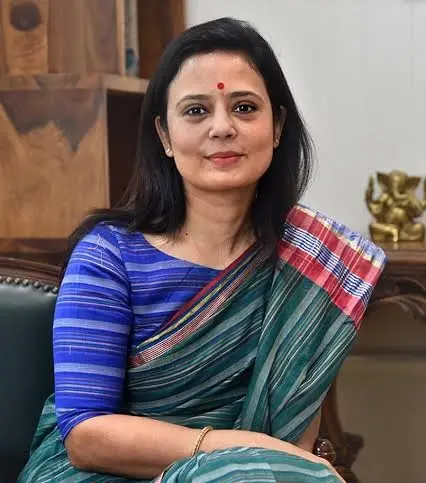
On November 8, 2026, Trinamool Congress MP Mahua Moitra and Cockroach Janta Party's (CJP) Saurav Das publicly criticized the Delhi High Court's recent decision to exempt lawyers and court staff from restrictions on entering Delhi in non-BS-VI vehicles. This exemption, which applies on court working days, has raised significant legal and ethical questions regarding accountability and equality before the law.
Justice Amit Mahajan's ruling came in response to a petition filed by the Delhi High Court Bar Association (DHCBA), which argued that many advocates travel from the National Capital Region (NCR) to Delhi for their professional duties. The DHCBA sought the exemption, citing the need for lawyers to perform their judicial functions effectively. However, the exemption has sparked outrage among various stakeholders, including Moitra and Das, who have raised concerns about the implications of such a ruling.
Criticism from Mahua Moitra and Saurav Das
Moitra, known for her outspoken nature, took to social media to express her disbelief at the court's decision. She questioned the legality of the exemption, stating, "Huh? How can this be legal? Has Delhi High Court lost it completely?" Her remarks reflect a growing sentiment that the judiciary may be overstepping its bounds by allowing such exemptions, which could undermine environmental regulations aimed at reducing pollution in the capital.
Saurav Das echoed these sentiments, emphasizing the need for judicial accountability. He remarked, "Courts have been doing this for ages. They keep exempting themselves completely from any accountability and transparency. This is just taking it a step further. RIP equality before law!" His comments highlight a broader concern regarding the perceived double standards in legal accountability, particularly for those in positions of power.
The Delhi High Court's Rationale
The DHCBA's petition argued that the blanket ban on non-BS-VI vehicles, which was implemented by the Delhi government on June 23, 2026, poses a significant challenge for advocates commuting from cities like Gurugram, Faridabad, Noida, and Ghaziabad. The ban is part of the government's efforts to combat air pollution during the winter months, specifically from November 1 to January 31. However, the DHCBA contended that the restriction could hinder the functioning of the courts, as many lawyers would be unable to attend hearings if they were barred from entering the city.
DHCBA president and senior advocate N Hariharan articulated this concern, stating, "How can there be a blanket ban? We are performing judicial functions. If half of us can't come here, how will the courts function?" This statement underscores the delicate balance between environmental regulations and the administration of justice, a balance that the court must navigate carefully.
Environmental Concerns and Judicial Access
While the DHCBA acknowledged the importance of clean air and the state's authority to regulate vehicular emissions, it argued that the exemption for advocates is essential for maintaining access to justice. The petition referenced the [Supreme Court](/topic/supreme-court-of-india)'s judgment in Anita Kushwaha v. Pushap Sudan, which recognized access to justice as a fundamental right under Articles 14 and 21 of the Constitution.
The DHCBA's position is that the timely attendance of advocates is crucial for the interests of litigants and the overall administration of justice. They argued that the court must consider the impact of the restriction on access to courts while balancing the need to regulate vehicular emissions. This ongoing debate raises critical questions about the role of the judiciary in environmental policy and the implications of exemptions for specific groups.
The Broader Implications of the Exemption
The controversy surrounding the BS-VI exemption for lawyers is emblematic of larger issues within the Indian legal system, particularly regarding accountability and transparency. Critics argue that such exemptions create a perception of inequality before the law, where certain groups are granted privileges that others are not. This perception can erode public trust in the judiciary and its ability to uphold the principles of justice and fairness.
As the debate continues, it remains to be seen how the Delhi High Court will respond to the criticisms raised by Moitra, Das, and other stakeholders. The implications of this ruling extend beyond the immediate concerns of lawyers and court staff; they touch upon fundamental questions about environmental responsibility, judicial accountability, and the equitable application of the law.
In conclusion, the Delhi High Court's exemption for lawyers using non-BS-VI vehicles has ignited a significant debate about the intersection of environmental policy and judicial access. As stakeholders continue to voice their concerns, the court's decision will undoubtedly have lasting implications for both the legal community and the broader public discourse on accountability and equality before the law.
| Date | Event Description | Impact on Lawyers |
|---|---|---|
| Nov 1, 2026 | Implementation of BS-VI vehicle ban in Delhi | Restricts entry of non-BS-VI vehicles |
| Nov 8, 2026 | Delhi High Court grants exemption to lawyers | Allows entry for lawyers on court days |
| Ongoing | Public criticism from Mahua Moitra and Saurav Das | Raises questions about judicial fairness |