High Court's Inquiry into Rescue Operations
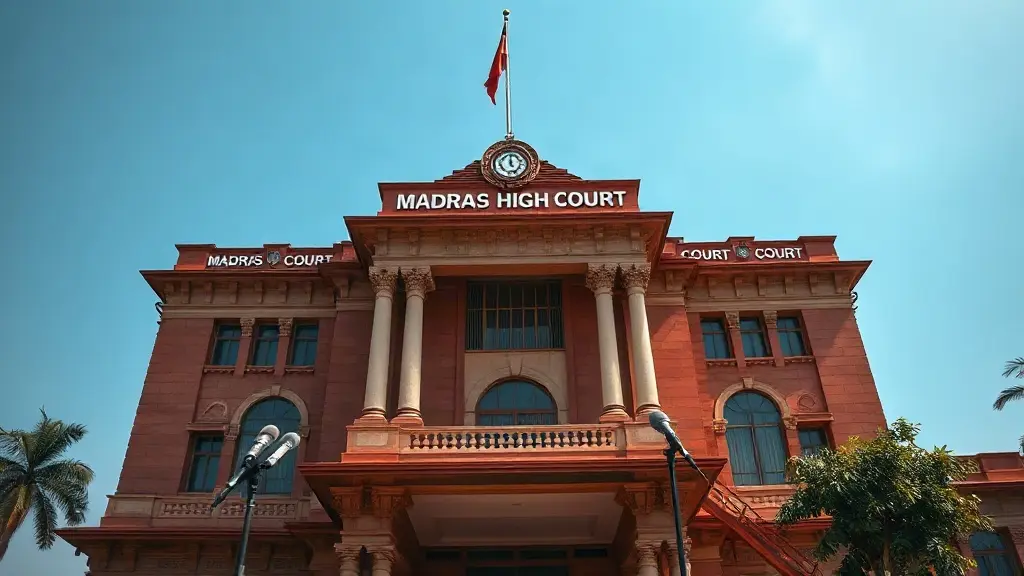
The Madras High Court has sparked a significant debate regarding the efficacy of aerial rescue operations in drowning incidents along the East Coast. During a recent hearing, Justices A.D. Jagadish Chandira and B. Karthikeyan questioned why helicopters are not utilized for rescue missions at popular beaches, particularly Marina Beach in Chennai. This inquiry arose from a habeas corpus petition filed by K. Gopal, whose 17-year-old son, G. Santhosh, went missing while swimming on July 5, 2026. The court's intervention highlights the urgent need for improved rescue strategies in coastal areas prone to high tides.
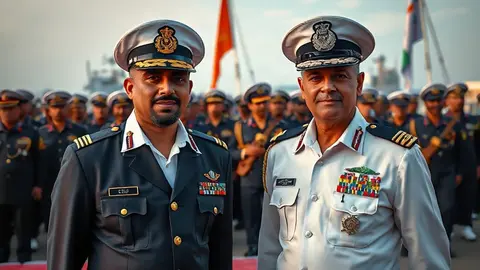
The judges emphasized that the coordination between Central and State agencies is crucial for effective rescue operations. They have taken the initiative to involve the Maritime Rescue Coordination Centre (MRCC), which is overseen by the Director General of the Indian Coast Guard. This move aims to streamline rescue efforts and ensure that resources are adequately deployed during emergencies.
The Case of G. Santhosh: A Tragic Incident
G. Santhosh's disappearance has raised alarms about the safety measures in place for swimmers at Marina Beach. The young boy was swept away by high tides, a fate that has befallen many others in the past. G. Santhosh's father, K. Gopal, expressed his anguish in court, stating, "We need better systems in place to prevent such tragedies. My son should not have gone missing if there were adequate rescue measures."
The court's inquiry into the use of helicopters stems from a growing concern over the limitations of current rescue operations, which often rely on boats and divers. Helicopters, with their ability to cover vast areas quickly and provide aerial surveillance, could potentially enhance the effectiveness of rescue missions. The judges noted that aerial support could significantly reduce response times, especially in emergencies where every second counts.
Current Rescue Operations: Limitations and Challenges
Currently, the primary method of rescue along the East Coast involves local fishermen and trained divers who attempt to reach victims in distress. However, these methods have proven insufficient in many cases, particularly when high tides and rough seas complicate the situation. The judges pointed out that the absence of helicopters in rescue operations reflects a lack of preparedness and innovation in addressing the challenges posed by coastal emergencies.
According to official records reviewed by DotMR, there have been numerous incidents of drowning along the Chennai coast, with many victims lost due to delayed rescue efforts. The court's questioning of the existing protocols underscores the need for a comprehensive review of the rescue frameworks in place. Justices Chandira and Karthikeyan have called for a detailed report from the MRCC on the feasibility of incorporating helicopters into rescue operations.
The Role of the Maritime Rescue Coordination Centre
The MRCC, which has been tasked with coordinating maritime rescue operations, plays a pivotal role in ensuring safety along the coast. The court's decision to involve the MRCC reflects a proactive approach to addressing the shortcomings in current rescue strategies. The judges have requested that the MRCC evaluate the potential for utilizing helicopters in rescue missions and provide recommendations on how to enhance operational efficiency.
In a statement, the Director General of the Indian Coast Guard acknowledged the court's concerns, stating, "We are committed to exploring all viable options to improve our rescue capabilities. The safety of individuals at sea is our top priority, and we will work closely with the court to implement necessary changes."
Community Response and Future Implications
The community's response to the court's inquiry has been overwhelmingly supportive. Many locals have expressed their frustration over the lack of effective rescue measures at popular swimming spots. Community leaders have called for increased awareness and education about the dangers of swimming in high tide conditions, as well as the implementation of better rescue protocols.
As the court continues to investigate the matter, the implications of its findings could lead to significant changes in how drowning rescues are conducted in India. The integration of helicopters into rescue operations could not only save lives but also serve as a model for other coastal regions facing similar challenges.
In conclusion, the Madras High Court's inquiry into the use of helicopters for drowning rescues marks a critical juncture in addressing the safety of swimmers along the East Coast. The tragic case of G. Santhosh serves as a poignant reminder of the urgent need for improved rescue strategies and inter-agency coordination. As the MRCC prepares to respond to the court's directives, the hope remains that future tragedies can be averted through enhanced preparedness and innovation in rescue operations.
| Metric | Value |
|---|---|
| Date of Incident | July 5, 2026 |
| Age of Missing Individual | 17 years |
| Judges Involved | A.D. Jagadish Chandira, B. Karthikeyan |
| Location | Marina Beach, Chennai |
| Agency Involved | Maritime Rescue Coordination Centre |
| Response Time Improvement Goal | Immediate deployment of aerial support |