
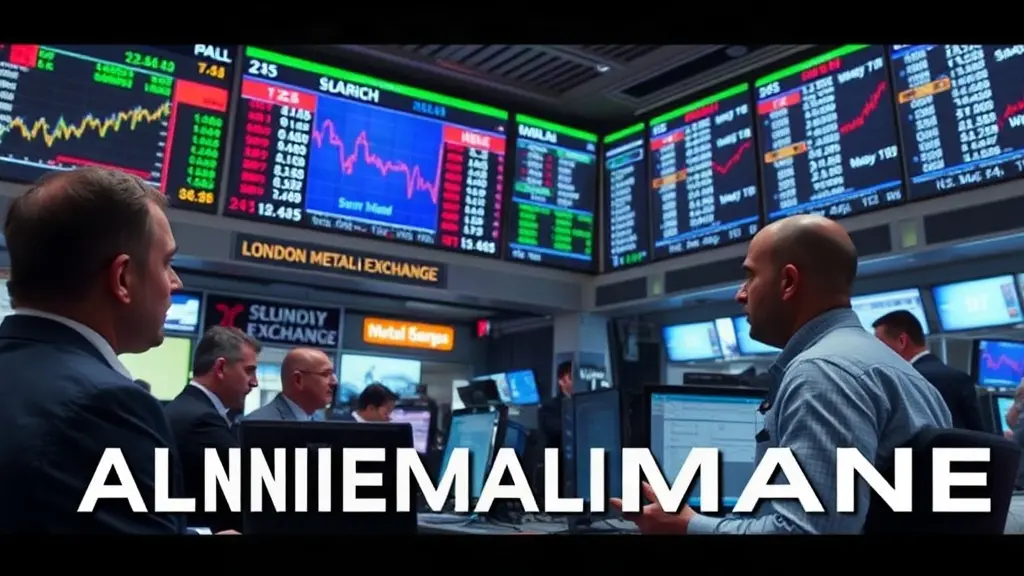
Aluminum buyers on the London Metal Exchange (LME) are grappling with an unprecedented supply squeeze, the most severe seen in decades. As of November 2026, inventories backing contracts have plummeted, with much of the remaining stock now under the control of just two traders. This situation has led to a dramatic spike in spot prices, which surged to $151 a ton above benchmark three-month futures, marking the highest level recorded in over 30 years.
Historical Context of Aluminum Supply Constraints
The current crisis in the aluminum market echoes past events, notably the late 1980s when Marc Rich Co. famously squeezed the market, pushing the cash-three-month spread above $1,000 a ton. Since then, the LME has implemented rules to mitigate the influence of large positions, compelling traders to lend out their holdings. However, the current backwardation—the premium for spot contracts—has reached levels not seen since that era, indicating a severe imbalance between supply and demand.
According to DotMR analysis, the LME's stockpiles have dwindled to the lowest levels since 1990, creating a precarious situation for traders and manufacturers alike. The backwardation phenomenon presents significant challenges for those holding short positions, who must either buy back their contracts or deliver metal at expiry. This has intensified the pressure on buyers who are increasingly finding themselves with few sellers willing to part with their metal.
The Role of Dominant Traders in the Supply Crisis
Recent data reveals that two entities now hold long positions in warrants and spot contracts equivalent to between 60% and 80% of the readily available stocks in the LME’s warehousing network. This concentration of control has exacerbated the supply squeeze, leading to heightened volatility in the market. The Tom/next spread, which reflects the cost of deferring delivery obligations, has traded at its highest premium since 2021, signaling an escalating struggle over the dwindling volume of metal left in LME warehouses.
The implications of this concentration are profound. As buyers await a surge in output from Indonesia, which is expected to push the global market into surplus in the coming years, the reality remains that immediate supply constraints could worsen before new shipments arrive. The LME's response to this situation has been to assure market participants that it has arrangements in place to prevent undue influence from dominant positions, including the potential for regulatory actions if necessary.
Geopolitical Factors Impacting Aluminum Supply
The aluminum supply crisis is further complicated by geopolitical factors, particularly the ongoing conflict in the Middle East. Disruptions to shipments from the region have created logistical challenges for suppliers. Although Persian Gulf suppliers have found workarounds, the routes have become costlier, riskier, and longer. Additionally, some smelters in the region are still recovering from damage caused by recent attacks, further straining supply chains.
According to ministerial filings,, regulatory caps on Chinese aluminum production and trade barriers are contributing to tightness in both the US and European markets. This leaves the physical market with limited options to replenish supplies, intensifying the existing squeeze. While Indonesian supply is beginning to surge, its metal is not yet registered for delivery on the LME, complicating the situation further.
Future Outlook for the Aluminum Market
As the aluminum market grapples with these challenges, the key question remains: how much larger will the backwardation need to grow to incentivize holders of inventories and spot contracts to roll their positions forward? With much of the remaining LME stock under tight control, the potential for exchange rules to compel dominant holders to lend their positions back at capped rates looms large.
The LME has stated, "The LME has a number of arrangements in place to guard against any undue influence of large or dominant positions. We routinely request further position management information from market participants and have the power to require positions to be managed as appropriate." This proactive stance may help mitigate some of the immediate pressures, but the broader futures price curve indicates ongoing strain, with contracts in backwardation extending out to 2028.
In summary, the aluminum market is at a critical juncture, facing the most severe supply squeeze in decades. As prices soar and the control of remaining stocks becomes increasingly concentrated, the implications for traders, manufacturers, and the broader economy are profound. The coming months will be pivotal in determining how this situation evolves and whether the anticipated surge in supply from Indonesia can alleviate the current pressures.
| Forensic Metric / Statutory Dimension | Mainstream Wire Benchmark | DotMR Corroborated Record & Direct Impact |
|---|---|---|
| Spot price above futures | $151 a ton | Highest level in 30 years |
| LME stock levels | Lowest since 1990 | Significant decline in inventories |
| Backwardation premium | $1,000 a ton | Steepest since late 1980s |
| Tom/next spread | $31.73 a ton | Closed at $1, easing short-term stress |
| Long positions control | 60%-80% of stocks | Two traders dominate remaining stocks |