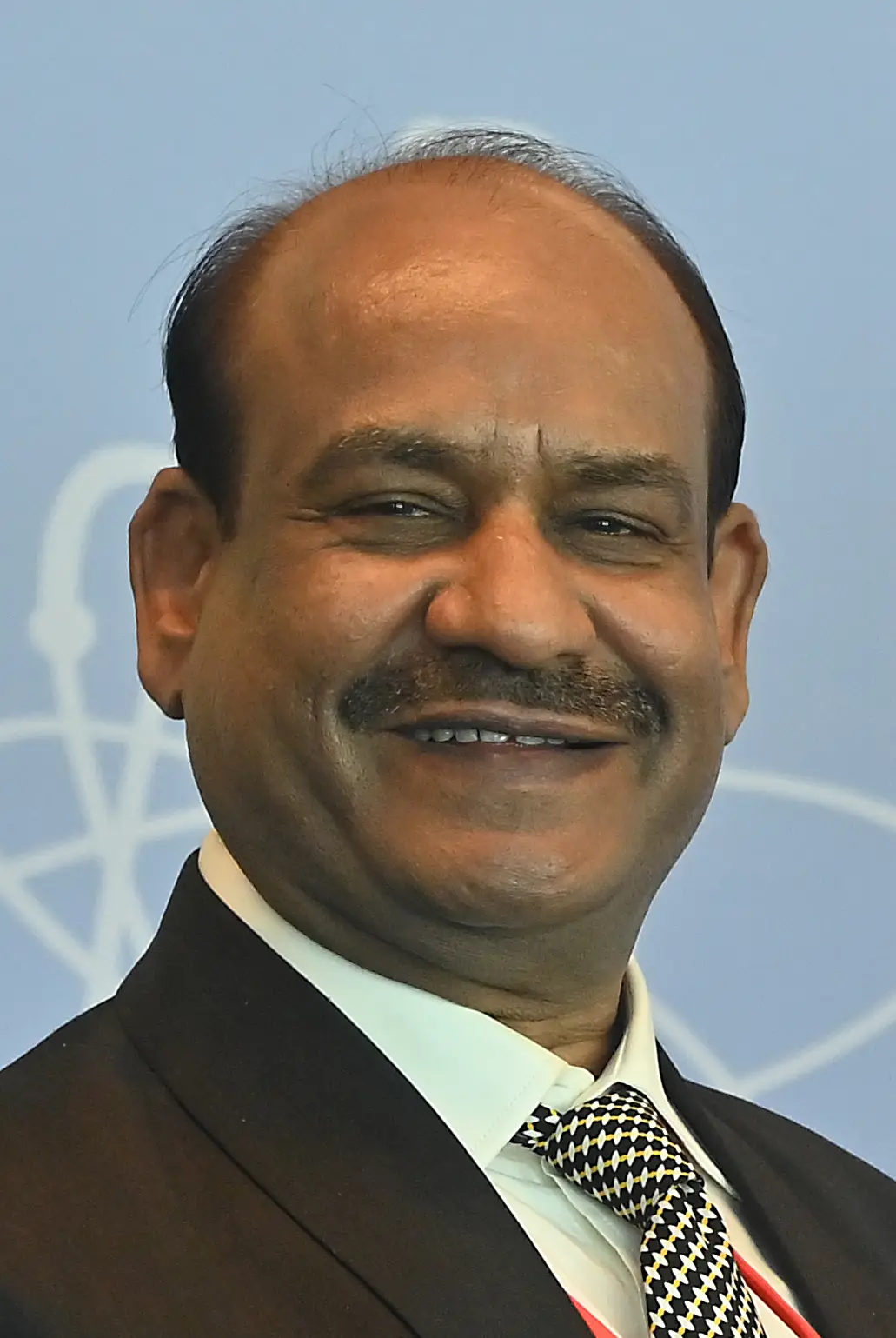
In a significant address at the Conference of Chairpersons of Public Accounts Committees (PACs) of [Parliament](/topic/parliament-of-india) and State Legislatures in Thiruvananthapuram, Lok Sabha Speaker Om Birla underscored the critical importance of accountability in public expenditure. He stated that every rupee drawn from the public exchequer must be properly accounted for and utilized for its intended purpose. This call to action comes as part of a broader initiative to enhance transparency and financial discipline within the government, ensuring that public funds achieve their intended objectives and deliver tangible outcomes for citizens.
The Role of Public Accounts Committees in Democracy
The PAC is a vital institution within parliamentary democracy, tasked with examining public expenditure and holding the Executive accountable. During his inauguration speech, Shri Birla emphasized that the responsibilities of the PAC extend beyond mere scrutiny of accounts and audit findings. He highlighted the need for these committees to assess whether public funds have effectively met their intended goals. This approach is crucial for fostering trust in democratic governance, as it directly impacts the lives of ordinary citizens.
Birla remarked, "Transparency and accountability are the cornerstones of democracy; PACs must ensure that public expenditure translates into tangible outcomes for citizens." He pointed out that the ultimate measure of public expenditure should be the positive difference it makes in the lives of the people.
Addressing Long-Pending Audit Observations
One of the pressing issues raised by the Lok Sabha Speaker was the alarming trend of unresolved audit observations, some pending for as long as 20 years. He expressed concern that such prolonged delays raise serious questions about the effectiveness of the accountability system. To combat this, Birla called for a systematic and time-bound action plan to address these observations promptly.
He stated, "The Union and State Governments must work together to strengthen the mechanisms of monitoring, review, and follow-up so that accountability is not merely established on paper but translated into timely corrective action." This proactive approach aims to ensure that financial oversight is robust and effective, preventing misuse of public funds.
Leveraging Technology for Enhanced Oversight
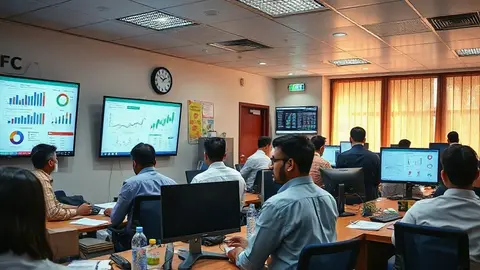
In his address, Birla urged PACs to embrace modern technology, including [artificial intelligence](/topic/artificial-intelligence) and data analytics, to bolster their financial oversight capabilities. By leveraging these tools, committees can enhance their ability to track public spending and identify irregularities more efficiently. This technological integration is seen as a crucial step towards preventing the misuse of public funds and ensuring that every rupee spent contributes to the welfare of citizens.
The Speaker noted, "We must leverage AI, data analytics, and responsible technology to strengthen financial oversight and prevent misuse of public funds." This forward-thinking approach aligns with global trends in governance, where technology plays an increasingly vital role in enhancing transparency and accountability.
A Call for Bipartisan Cooperation
Highlighting the democratic convention of appointing a Member of the Opposition as the Chairperson of the PAC, Birla emphasized that this practice reflects the maturity and inclusiveness of India's parliamentary democracy. He stated that the representation of all political parties within the committee ensures diverse perspectives in examining public expenditure.
"Members may belong to different political parties and hold differing views on policies and governance; however, when it comes to safeguarding public money, their responsibility is shared," he said. This sentiment underscores the importance of bipartisan cooperation in achieving common national objectives, particularly in matters of financial accountability.
Ensuring Quality and Timeliness in Infrastructure Projects
Birla also stressed that the assessment of public expenditure should not be limited to financial figures and utilization certificates. He urged PACs to conduct site visits for infrastructure projects to evaluate the quality of work, timely completion, and adherence to prescribed standards. This hands-on approach is intended to ensure that public resources are effectively utilized and that the intended infrastructure meets the needs of the community.
He stated, "Committees should, wherever appropriate, visit project sites and examine the quality of work, its timely completion, and adherence to prescribed standards." This direct assessment will help establish whether the money spent has resulted in the intended infrastructure and whether public resources have been used efficiently.
Conclusion: The Path Forward
As the Lok Sabha Speaker concluded his address, he reiterated the importance of financial propriety in the management of public funds. He emphasized that every rupee of public money represents the aspirations and contributions of the people and must therefore be spent with the highest standards of accountability. The PACs, as guardians of public money, play a crucial role in ensuring that public expenditure translates into real benefits for citizens.
In a democratic society, the trust of citizens is paramount, and it is the responsibility of elected representatives to uphold this trust through transparent and accountable governance. The initiatives discussed at the conference mark a significant step towards strengthening the financial oversight mechanisms in India, ensuring that public funds are utilized effectively and responsibly.