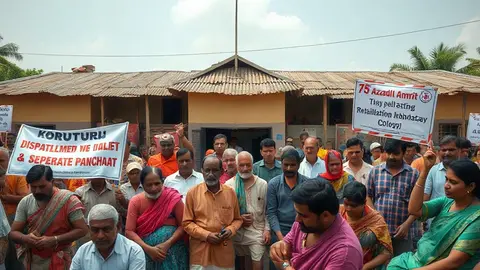
In a significant ruling on November 6, 2026, the Kerala High Court emphasized that public sentiment should not dictate bail decisions in the ongoing Mini Cooper crash case involving the individual known as Suhail. The court's decision comes in the wake of widespread public outrage following the accident, which has drawn considerable media attention and sparked debates about accountability and justice in high-profile cases.
The incident, which occurred earlier this year, involved a Mini Cooper that crashed into a roadside barrier, resulting in injuries to several individuals. Eyewitness accounts and police reports indicate that Suhail allegedly made controversial remarks after the accident, stating, "What are roads meant for? Driving, right?" This comment has fueled public anger, leading to calls for strict legal action against him.
Legal Framework and Bail Considerations
The Kerala High Court's ruling underscores the importance of maintaining legal integrity in the face of public pressure. The court highlighted that the principles governing bail are rooted in the rule of law and should not be swayed by emotional public reactions. According to the court, the decision to grant bail must be based on the merits of the case, the severity of the charges, and the potential flight risk of the accused.
Legal experts have noted that this ruling is crucial in setting a precedent for future cases where public sentiment may threaten to overshadow judicial processes. The court's stance reinforces the idea that the justice system must operate independently of external pressures, ensuring that all individuals receive fair treatment under the law, regardless of the circumstances surrounding their cases.
Public Reaction and Media Coverage
The public's response to the Mini Cooper crash has been intense, with social media platforms buzzing with opinions and calls for justice. Many citizens expressed their outrage over Suhail's remarks, viewing them as dismissive of the serious consequences of reckless driving. This sentiment was echoed in various media outlets, which have extensively covered the case, often framing it as a litmus test for the accountability of affluent individuals in society.
Despite the public outcry, the court's ruling has been met with mixed reactions. Some legal analysts commend the court for prioritizing legal principles over public opinion, while others argue that the justice system must also consider the societal implications of its decisions. The balance between upholding the law and addressing public sentiment remains a contentious issue in contemporary legal discourse.
Implications for Future Cases
The Kerala High Court's decision may have far-reaching implications for similar cases in the future. By asserting that public sentiment cannot dictate judicial outcomes, the court has reinforced the notion that the legal system must remain impartial and grounded in established laws. This ruling could serve as a benchmark for other courts facing similar dilemmas, particularly in high-profile cases involving public figures.
Furthermore, the case highlights the ongoing challenges faced by the judiciary in navigating the intersection of law and public opinion. As social media continues to amplify voices and opinions, courts may find themselves under increasing scrutiny and pressure to respond to public sentiment. The Kerala High Court's ruling serves as a reminder that the judiciary must remain steadfast in its commitment to justice, even in the face of overwhelming public emotion.
Conclusion: A Call for Balanced Justice
As the Mini Cooper crash case unfolds, the Kerala High Court's ruling stands as a testament to the importance of maintaining judicial independence. While public sentiment is a vital aspect of a democratic society, it should not dictate the course of justice. The court's decision reinforces the need for a balanced approach that respects both the rule of law and the voices of the public.
In the coming weeks, as the case progresses, it will be essential for all stakeholders—lawyers, judges, and the public—to engage in constructive dialogue about the role of sentiment in the legal process. Ultimately, the goal should be to ensure that justice is served fairly and equitably, without compromising the integrity of the legal system.
| Date | Event | Outcome |
|---|---|---|
| 2026-11-06 | Kerala High Court Ruling | Public sentiment cannot dictate bail |
| 2026-01-15 | Mini Cooper Crash | Several injuries reported |
| 2026-01-16 | Suhail's Remarks | "What are roads meant for? Driving, right?" |