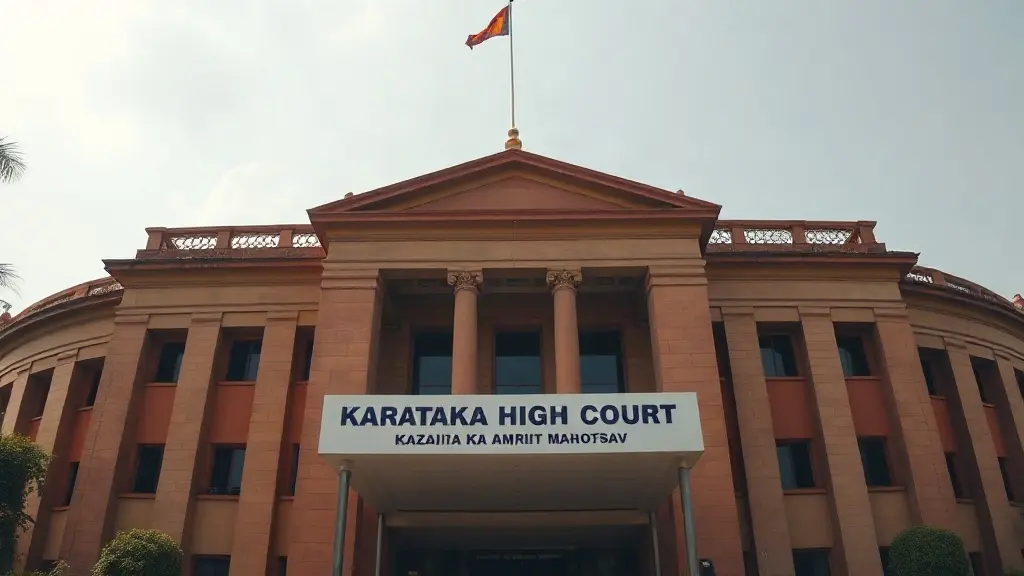
The High Court of Karnataka has granted Pradosh S. Rao, an accused-turned-approver in the Renukaswamy murder case, a six-day temporary bail to perform the first death anniversary rituals of his father. This decision, made by Justice Anant Ramanath Hegde, allows Pradosh to be escorted from prison to his home daily from November 7 to November 12, 2026, under police supervision.
Court's Decision and Conditions of Bail
Justice Hegde's ruling permits Pradosh to leave prison at approximately 8 a.m. each day, returning by 6 p.m. to ensure he can conduct the traditional rituals associated with his father's death anniversary. The court's decision comes after a plea from Pradosh, who sought a longer duration of 20 days for the rituals. However, the court suggested a compromise, allowing the six-day period instead.
The bail was contested by counsel representing Kannada actor Darshan, who is involved in the ongoing Renukaswamy murder case. Despite the opposition, the court emphasized the importance of familial duties and cultural practices, particularly in the context of honoring deceased loved ones.
Background on Pradosh S. Rao and the Renukaswamy Case
Pradosh S. Rao's involvement in the Renukaswamy murder case has drawn significant media attention. Initially accused of complicity in the crime, he later turned approver, providing testimony against other accused individuals. This shift in his legal status has raised questions about the motivations behind his actions and the implications for the ongoing case.
The Renukaswamy murder case revolves around the death of a prominent figure in the Kannada film industry, which has been a focal point of public interest and legal scrutiny. Pradosh's role as an approver has complicated the narrative, as it intertwines personal tragedy with broader legal ramifications.
Cultural Significance of Death Anniversary Rituals
In many Indian cultures, performing rituals on the death anniversary of a loved one is considered a vital aspect of honoring their memory. These rituals, known as "Shraddha," are believed to ensure peace for the departed soul and involve various traditional practices, including offerings and prayers. The court's decision to allow Pradosh to perform these rituals underscores the significance of cultural traditions in the legal framework.
Pradosh's case highlights the intersection of personal grief and legal obligations, raising questions about how the justice system accommodates cultural practices. The court's ruling reflects an understanding of the importance of these rituals, even amidst serious legal proceedings.
Public Reaction and Legal Implications
The decision to grant temporary bail has sparked varied reactions from the public and legal experts. Some view it as a necessary acknowledgment of cultural practices, while others express concern about the implications of allowing an accused individual to leave prison, even temporarily. Legal analysts suggest that this case could set a precedent for how courts handle similar requests in the future.
The involvement of high-profile individuals like Darshan adds another layer of complexity to the case. As a well-known figure in the Kannada film industry, the public's interest in the proceedings is heightened, leading to discussions about the influence of celebrity status on legal outcomes.
Looking Ahead: The Next Steps in the Case
As Pradosh prepares to perform the rituals from November 7 to November 12, attention will remain focused on the ongoing Renukaswamy murder case. The temporary bail allows him to fulfill a personal obligation while the legal proceedings continue. Following the completion of the rituals, Pradosh will return to prison, and the case will proceed with its next scheduled hearings.
The court's decision may also prompt further discussions about the rights of accused individuals in relation to cultural practices. Legal experts are closely monitoring the situation, as it may influence future rulings on similar cases involving personal and cultural considerations.
In conclusion, the Karnataka High Court's ruling reflects a nuanced understanding of the balance between legal obligations and cultural practices. As Pradosh S. Rao prepares to honor his father's memory, the implications of this case will continue to resonate within the legal community and the public at large.
| Date | Event | Details |
|---|---|---|
| Nov 5, 2026 | Court grants bail | Six days of bail for Pradosh S. Rao |
| Nov 7, 2026 | Start of rituals | Pradosh to perform rituals at home |
| Nov 12, 2026 | End of rituals | Pradosh returns to prison |