A significant controversy has erupted in Karnataka as the state government announced that fuel samples collected from various districts contained ethanol levels far exceeding the permissible E20 limit set by the Indian government. According to official reports reviewed by DotMR, some samples indicated ethanol concentrations as high as 31%, raising serious questions about fuel quality and regulatory compliance.
Karnataka's Ethanol Blending Claims
The Karnataka government has been proactive in promoting ethanol blending in petrol as part of its commitment to sustainable energy and reducing carbon emissions. However, the recent findings have sparked alarm among consumers and environmentalists alike. The E20 standard, which allows for a maximum of 20% ethanol in petrol, was introduced to encourage the use of [renewable energy](/topic/renewable-energy) sources while ensuring that fuel quality remains intact.
Officials from the Karnataka State Pollution Control Board (KSPCB) conducted tests across multiple districts, including Bengaluru, Mysuru, and Mangaluru. The results revealed that several petrol stations were selling fuel with ethanol levels that not only exceeded the E20 limit but also posed potential risks to vehicle engines and emissions standards.
Implications for Consumers and Vehicle Performance
The implications of these findings are profound. Ethanol, while a renewable resource, can cause issues in vehicles not designed for higher concentrations. According to automotive experts, excessive ethanol can lead to engine knocking, reduced fuel efficiency, and increased emissions of harmful pollutants. This situation has left consumers questioning the integrity of the fuel they are purchasing and the regulatory oversight in place to protect them.
"Consumers have a right to know what they are putting into their vehicles. If these claims are true, it raises serious concerns about the quality of fuel being sold in Karnataka," stated an automotive engineer from a leading vehicle manufacturer.
Government Response and Regulatory Oversight
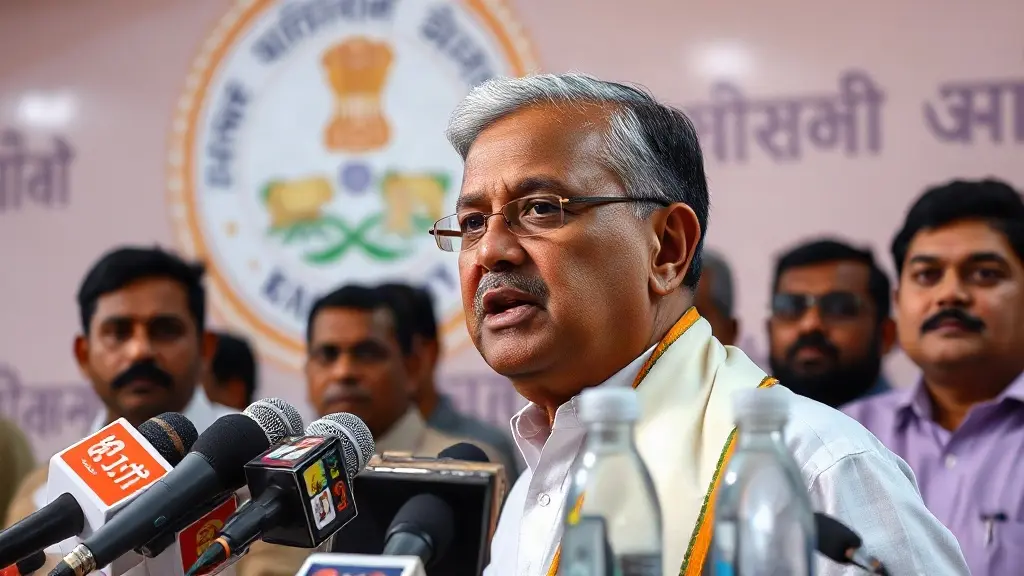
In response to the controversy, the Karnataka government has pledged to investigate the matter thoroughly. The Chief Minister has called for an emergency meeting with the KSPCB and representatives from the oil marketing companies to address the issue and ensure compliance with national standards.
"We will not tolerate any violations of fuel quality standards. Our priority is to ensure that consumers receive safe and reliable fuel," the Chief Minister stated during a press briefing.
The Ministry of Petroleum and Natural Gas has also been alerted to the situation, and a joint task force may be established to conduct independent testing of fuel samples across the state. This move aims to restore public confidence and ensure that all fuel sold in Karnataka adheres to the established E20 guidelines.
The Broader Context of Ethanol Blending in India
This incident in Karnataka is not isolated; it reflects a broader trend in India’s push towards renewable energy sources. The Indian government has set ambitious targets for increasing ethanol blending in petrol, aiming for 20% blending by 2025. However, the implementation of these policies has faced challenges, including infrastructure limitations and concerns over agricultural impacts.
As states like Karnataka push for higher ethanol blending, the need for stringent regulatory frameworks becomes increasingly critical. The recent findings highlight the potential pitfalls of rapid policy implementation without adequate oversight and testing.
Consumer Awareness and Future Steps
As the investigation unfolds, consumer awareness will play a crucial role in addressing this issue. The Karnataka government has urged consumers to report any discrepancies in fuel quality to the authorities. Additionally, educational campaigns may be launched to inform the public about the implications of ethanol blending and how to identify quality fuel.
In the coming weeks, the KSPCB will be conducting further tests and releasing a report detailing the findings and recommendations for ensuring compliance with the E20 standard. This report will be pivotal in shaping future policies and restoring consumer trust in the fuel supply chain.
The controversy surrounding ethanol levels in petrol is a wake-up call for regulatory bodies and consumers alike. As Karnataka navigates this complex issue, the focus will remain on ensuring that fuel quality meets the standards necessary for both environmental sustainability and consumer safety.
| District | Sample Ethanol Level (%) | E20 Limit (%) | Compliance Status |
|---|---|---|---|
| Bengaluru | 31 | 20 | Non-compliant |
| Mysuru | 28 | 20 | Non-compliant |
| Mangaluru | 25 | 20 | Non-compliant |