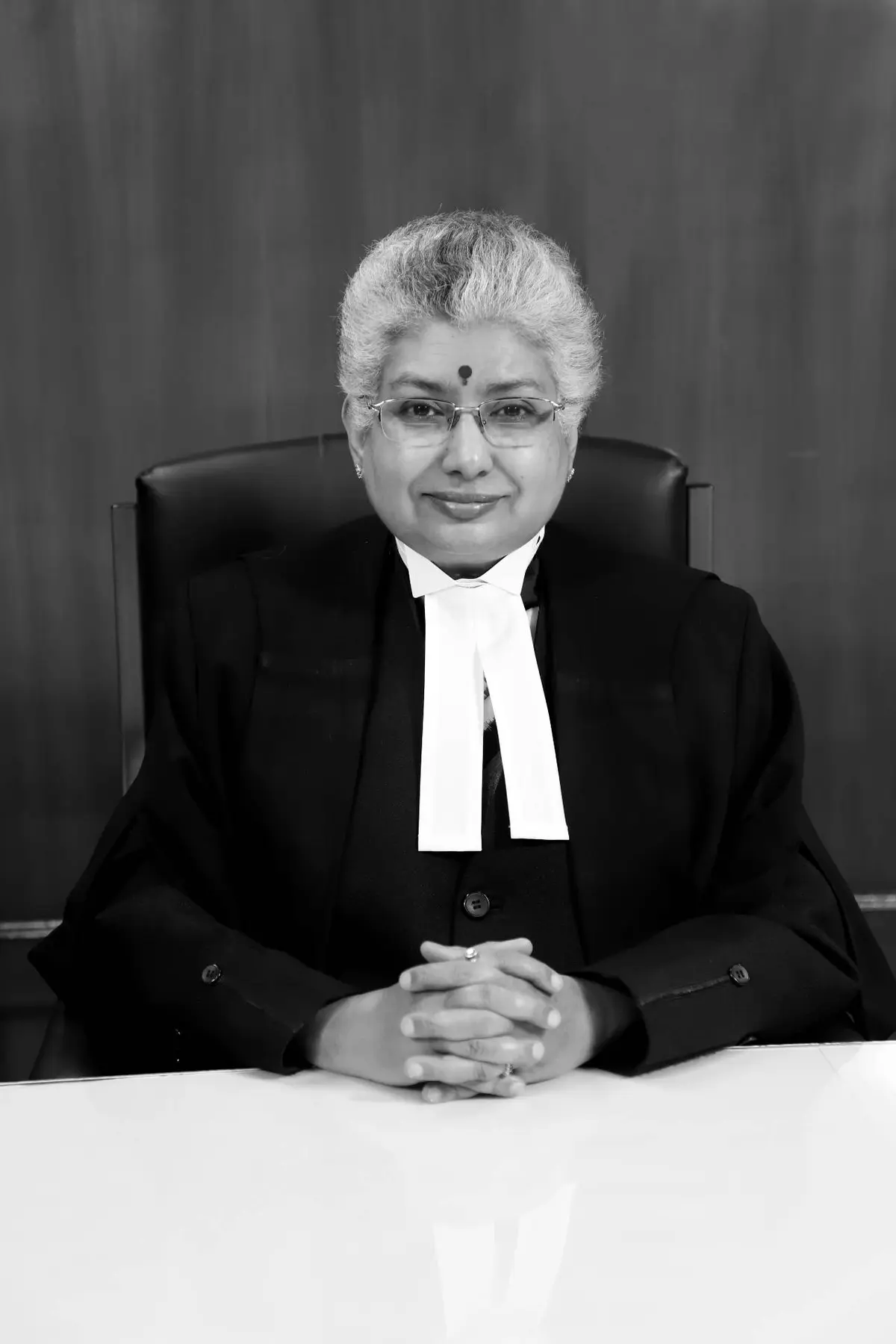
In a significant turn of events during a [Supreme Court](/topic/supreme-court-of-india) hearing, Justice BV Nagarathna has raised concerns about the accountability of government employees, suggesting that they should be hired on a contractual basis. This statement came during discussions regarding the Punjab government's failure to pay Dearness Allowance (DA) arrears to its employees, a situation that has sparked considerable debate about public sector accountability and financial management.
The Supreme Court bench, which included Justice Nagarathna and Justice R Mahadevan, was addressing claims made by Punjab government employees who had approached the court over the non-payment of their dues. The court's deliberations revealed a stark contrast between the state's financial claims and its expenditure on welfare schemes and freebies.
Context of the Hearing: Punjab's Financial Struggles
The backdrop of this case is the Punjab government's assertion that it lacks sufficient funds to meet its obligations to employees. During the proceedings, the government cited financial constraints as a reason for its inability to clear the outstanding payments. However, this explanation was met with skepticism by the High Court, which pointed out that the government continued to allocate funds for various welfare schemes.
Justice Nagarathna's remarks highlighted a growing frustration with the perceived lack of accountability among government employees. "Government servants must hereinafter come on contract basis. Then only they will have accountability," she stated, emphasizing the need for a system that holds public servants responsible for their performance.
The Privileged Class: A Call for Accountability
Justice Nagarathna's comments on government employees being a "privileged class" sparked a broader discussion about the role of public servants in society. She argued that many government employees do not fulfill their responsibilities adequately, leading to a backlog of litigation in the courts. "If government servants were genuinely sincere in discharging their responsibilities, the volume of litigation in the country would decline," she remarked.
This perspective was met with a counter-argument from Senior Advocate Devadatt Kamat, who represented the government employees. Kamat asserted that many public servants work diligently and should not be judged by the actions of a few. He emphasized that the state must act as a model employer, advocating for the rights and dignity of all employees.
The Contempt Proceedings and Interim Relief
Amidst these discussions, the Supreme Court also addressed contempt proceedings initiated against the Punjab Chief Secretary regarding the non-payment of DA arrears. The court stayed these proceedings, expressing reservations about the approach taken towards government officials. Justice Nagarathna remarked, "You can't haul up Chief Secretary like this. Who is going to pay you?" This statement underscored the court's concern about the potential ramifications of such actions on public administration.
The bench's decision to stay the contempt proceedings provides interim relief to the Chief Secretary while the larger issue of DA payments remains unresolved. This move reflects the court's intent to balance accountability with the practical realities of governance.
Implications for Public Sector Employment
Justice Nagarathna's suggestion to hire government employees on a contractual basis raises important questions about the future of public sector employment in India. Contractual hiring could potentially lead to a more performance-driven culture within government departments, where employees are held accountable for their work. However, it also raises concerns about job security and the long-term implications for public service.
The debate surrounding this issue is likely to continue as the Supreme Court deliberates on the broader implications of the Punjab government's financial management and its impact on employee rights. The court's observations may set a precedent for how public sector employment is structured in the future, particularly in states facing financial difficulties.
Conclusion: A Turning Point for Accountability in Governance
As the Supreme Court navigates this complex case, Justice Nagarathna's remarks serve as a critical reminder of the need for accountability in public service. The discussions surrounding the contractual hiring of government employees could reshape the landscape of public administration in India, fostering a culture of responsibility and transparency. The outcome of this case will not only affect Punjab government employees but may also have far-reaching implications for public sector employment across the country.
| Metric | Value |
|---|---|
| Date of Hearing | November 6, 2026 |
| Justice Involved | BV Nagarathna, R Mahadevan |
| Punjab Employees Affected | Thousands |
| DA Arrears Pending | Significant Amount |
| Contempt Proceedings Status | Stayed |