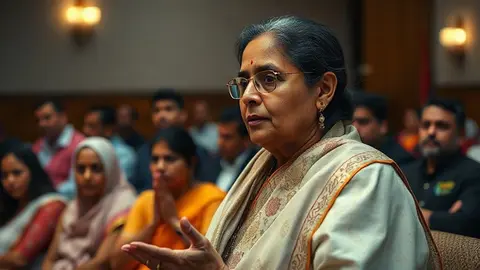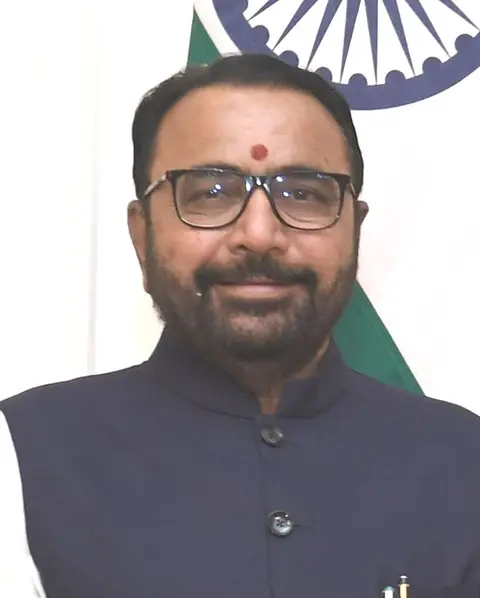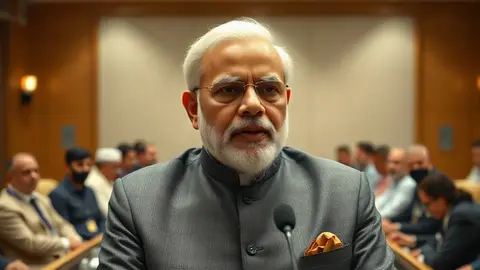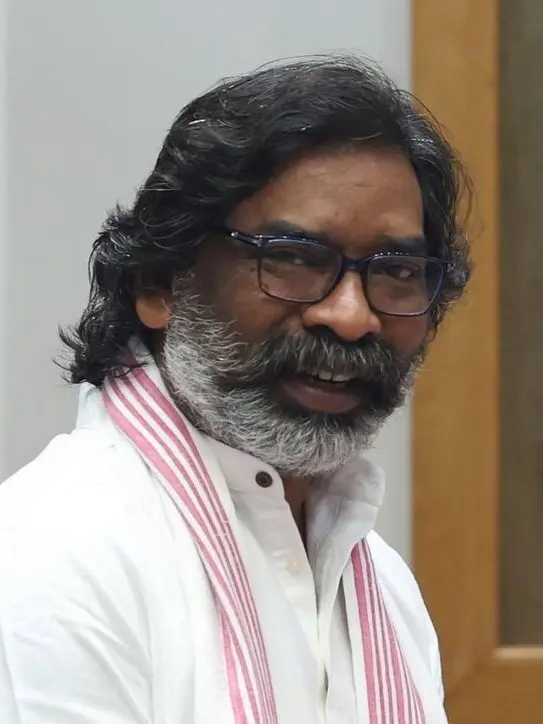
Jharkhand Chief Minister Hemant Soren has called for the strengthening of the tribal community, emphasizing the importance of collective participation and mutual cooperation for the holistic development of tribal society. This statement was made during the concluding day of the two-day ‘Marang Buru Dhoromgad Mahasammelan’ held on November 5, 2026, at the Madhuban Police Station grounds in Pirtand, Giridih district. The event was organized by the Marang Buru Bachao Sangharsh Morcha, a group dedicated to the preservation of tribal culture and rights.
Significance of the Marang Buru Dhoromgad Mahasammelan
The Marang Buru Dhoromgad Mahasammelan is a significant gathering for Sarna followers, who have come together from various parts of India to discuss and promote the protection of tribal culture, traditional practices, and religious heritage. The conference focused particularly on the Santhal religious tradition, which is integral to the identity of many tribal communities in Jharkhand. Soren’s presence at this event underscores the government’s commitment to addressing the needs and rights of tribal populations, which are enshrined in the Indian Constitution.
In his address, Soren stated, "The tribal society holds specific social rights, which have also been granted recognition by the Indian Constitution. It is our duty to ensure that these rights are not only acknowledged but actively promoted and protected." This assertion reflects a growing recognition of the unique challenges faced by tribal communities in India, including issues related to land rights, cultural preservation, and socio-economic development.
Tribal Rights and Constitutional Recognition
The Indian Constitution recognizes the rights of tribal communities through various provisions, including the Fifth Schedule, which provides for the administration and control of Scheduled Areas and Scheduled Tribes. Hemant Soren’s advocacy for these rights is particularly poignant in the context of Jharkhand, a state with a significant tribal population, where the intersection of development and cultural preservation is often contentious.
Soren’s remarks at the Mahasammelan resonate with ongoing discussions about the need for policies that not only empower tribal communities economically but also respect their cultural identities. The Chief Minister highlighted the importance of integrating traditional knowledge and practices into development strategies, stating, "We must ensure that our development initiatives are inclusive and respect the wisdom of our tribal communities."
Community Participation as a Development Strategy
During the event, Soren emphasized that the path to holistic development lies in collective participation. He urged tribal leaders and community members to engage actively in governance and decision-making processes that affect their lives. "Mutual cooperation among community members is essential for fostering a sense of ownership and responsibility towards our development goals," he added.
This call for community involvement aligns with broader initiatives aimed at decentralizing governance and empowering local populations. Soren’s administration has been working towards enhancing the role of Panchayati Raj institutions in tribal areas, allowing for greater local governance and representation.
Challenges Facing Tribal Communities
Despite the constitutional protections and the government’s commitment, tribal communities in Jharkhand continue to face numerous challenges. Issues such as land dispossession, inadequate access to education and healthcare, and the impact of industrialization pose significant threats to their way of life. Soren acknowledged these challenges, stating, "We must confront these issues head-on and work collaboratively to find sustainable solutions that honor our tribal heritage."
The Mahasammelan served not only as a platform for discussing rights and cultural preservation but also as a rallying point for addressing these pressing issues. Community leaders voiced their concerns about land acquisition for mining and industrial projects, which often encroach upon tribal lands and disrupt traditional livelihoods.
Looking Ahead: A Vision for Tribal Empowerment
As the event concluded, Soren reiterated his government’s commitment to tribal empowerment and cultural preservation. He announced plans for the establishment of a Tribal Advisory Council, which will include representatives from various tribal communities to ensure their voices are heard in policy-making processes.
"This council will serve as a bridge between the government and our tribal communities, ensuring that their rights and concerns are prioritized in our development agenda," Soren stated. The establishment of such a council is seen as a crucial step towards fostering dialogue and collaboration between the government and tribal populations.
In summary, Hemant Soren’s address at the Marang Buru Dhoromgad Mahasammelan highlights a pivotal moment in Jharkhand’s approach to tribal rights and community development. By advocating for collective participation and mutual cooperation, Soren aims to create a more inclusive framework for the holistic development of tribal society, ensuring that their cultural heritage is preserved while addressing contemporary challenges.
| Metric | Value |
|---|---|
| Event Date | November 5, 2026 |
| Location | Madhuban Police Station, Giridih |
| Attendees | Sarna followers from across India |
| Key Focus | Tribal rights and cultural preservation |
| Proposed Initiative | Establishment of Tribal Advisory Council |