
Background of the Dispute
In a significant ruling dated October 1, 2026, the Income Tax Appellate Tribunal (ITAT) in Jaipur resolved a contentious tax dispute involving Surendra Kumar Sharma, a general insurance commission agent from Rajasthan. The case centered around Sharma's cash deposits exceeding ₹35 lakh during the demonetisation period, which the Income Tax Department initially classified as unexplained income under Section 69A of the Income-tax Act, 1961. This ruling not only highlights the complexities of tax regulations but also underscores the importance of maintaining thorough financial records in business operations.
The Tax Authority's Initial Findings
The tax authorities scrutinized Sharma's cash deposits made during the assessment year 2017-18, questioning the legitimacy of the funds. The assessing officer argued that the deposits were unexplained, leading to an addition of ₹35,08,550 to Sharma's taxable income. The Commissioner of Income Tax (Appeals) upheld this addition, prompting Sharma to escalate the matter to the ITAT.
The authorities raised two primary objections regarding Sharma's claims. First, they noted that some insurance policies submitted as evidence listed other individuals as agents, casting doubt on Sharma's assertion that he had collected the premiums. Second, they questioned whether the cash collected during demonetisation specifically included the withdrawn ₹500 and ₹1,000 currency notes, which were deposited in his bank account.
Sharma's Defense and Evidence Submission
In his defense, Sharma provided a comprehensive explanation of his business practices. He clarified that he had entered into commission-sharing arrangements with agents from other insurance companies, a necessity due to Section 42(2) of the Insurance Act, 1938, which prohibits an individual from acting as an agent for more than one general insurance company. This arrangement allowed him to serve his existing customers effectively.
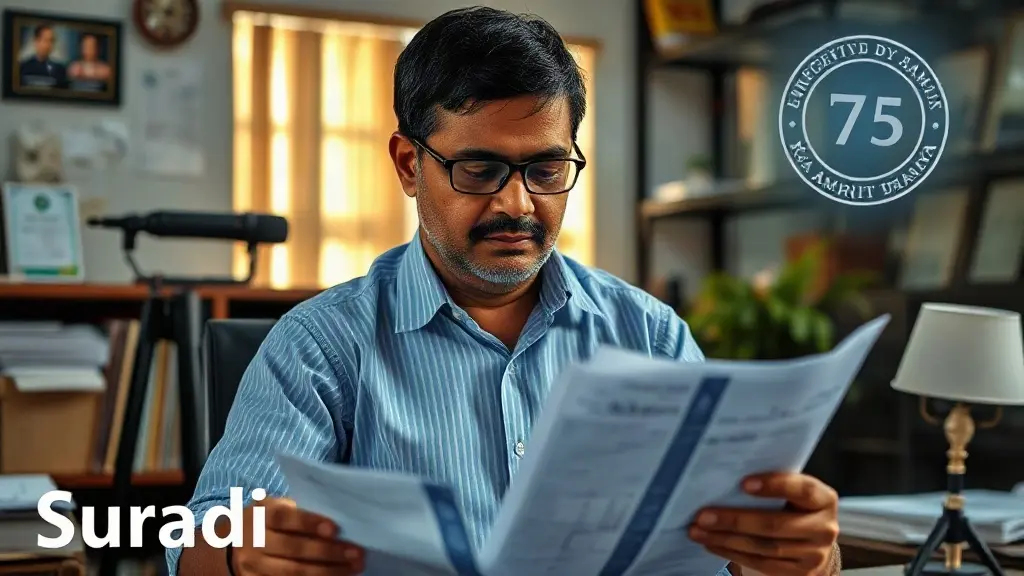
To substantiate his claims, Sharma submitted affidavits from the other agents involved, confirming their collaboration. Additionally, he provided bank statements that demonstrated the receipt of commission payments through formal banking channels. His meticulous documentation included:
- A policy register detailing customer names, vehicle registration numbers, policy numbers, issuance dates, and premium amounts collected.
- Date-wise records of policies sold and cash received from customers.
- A cash book and bank statements illustrating the flow of money from collection to deposit and subsequent payments to insurance companies.
- Premium collection summaries for the relevant financial year and the preceding two years, showing consistency with his historical business trends.
ITAT's Examination and Ruling
Upon reviewing the evidence presented, the ITAT found that the tax authorities had failed to identify any discrepancies in Sharma's documentation. The tribunal noted that the records he provided were comprehensive and consistent, effectively countering the claims of unexplained income. The ITAT emphasized that the lower authorities had not adequately examined Sharma's explanations regarding the commission-sharing arrangements, which were supported by affidavits and bank statements.
The tribunal also rejected the tax authorities' insistence that Sharma should separately prove the collection of demonetised currency notes from policyholders. The ITAT concluded that the evidence presented was sufficient to establish that the cash deposits were indeed premiums collected from policyholders, not unexplained income.
Implications for Taxpayers and Insurance Agents
This ruling serves as a crucial precedent for insurance agents and other professionals who handle cash transactions on behalf of clients. It underscores the necessity of maintaining detailed records, including customer-wise registers, receipts, cash books, and bank statements. Taxpayers must ensure that their documentation clearly reflects the source and use of funds to avoid disputes with tax authorities.
The ITAT's decision also highlights the importance of understanding the nuances of tax regulations, particularly for those operating in sectors where cash transactions are prevalent. As the landscape of taxation evolves, professionals must remain vigilant in their record-keeping practices to safeguard against potential tax liabilities.
Conclusion
The ITAT Jaipur's ruling in favor of Surendra Kumar Sharma not only resolves a significant tax dispute but also reinforces the critical role of proper documentation in financial transactions. As taxpayers navigate the complexities of tax regulations, this case serves as a reminder of the importance of transparency and accuracy in financial reporting. The decision could pave the way for similar cases, encouraging taxpayers to maintain meticulous records and seek clarity in their dealings with tax authorities.
| Metric | Amount (₹) |
|---|---|
| Total Cash Deposits | 35,08,550 |
| Tax Addition by Authorities | 35,08,550 |
| Date of ITAT Ruling | October 1, 2026 |
| Assessment Year | 2017-18 |