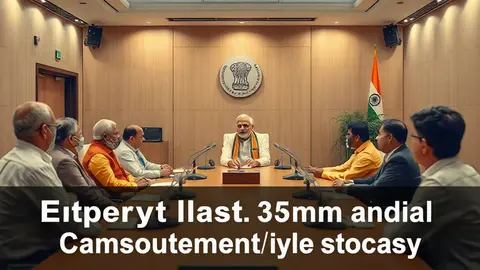
The Indian Ministry of Electronics and Information Technology has approved 12 new projects under the Electronics Component Manufacturing Scheme (ECMS), significantly enhancing the country's electronics manufacturing landscape. This decision, announced on November 6, 2026, brings the total number of approved projects to 118, with committed investments soaring to ₹77,051 crore, which is nearly 30% higher than the original target of ₹59,350 crore.
Major Investments and Key Players
Among the newly approved projects, the most substantial commitment comes from Indo Asia Copper Ltd, which plans to establish a copper foil facility in Amreli, Gujarat, with an investment of ₹3,546 crore. This facility is expected to play a crucial role in supporting the domestic electronics manufacturing ecosystem by providing essential components for various electronic devices.
The ECMS is designed to provide turnover-linked incentives to manufacturers, ensuring that government support is directly tied to production outputs. This strategic approach aims to foster a robust manufacturing environment that extends beyond mere assembly of final products, thereby enhancing the entire electronics value chain.
Government's Vision for Electronics Manufacturing
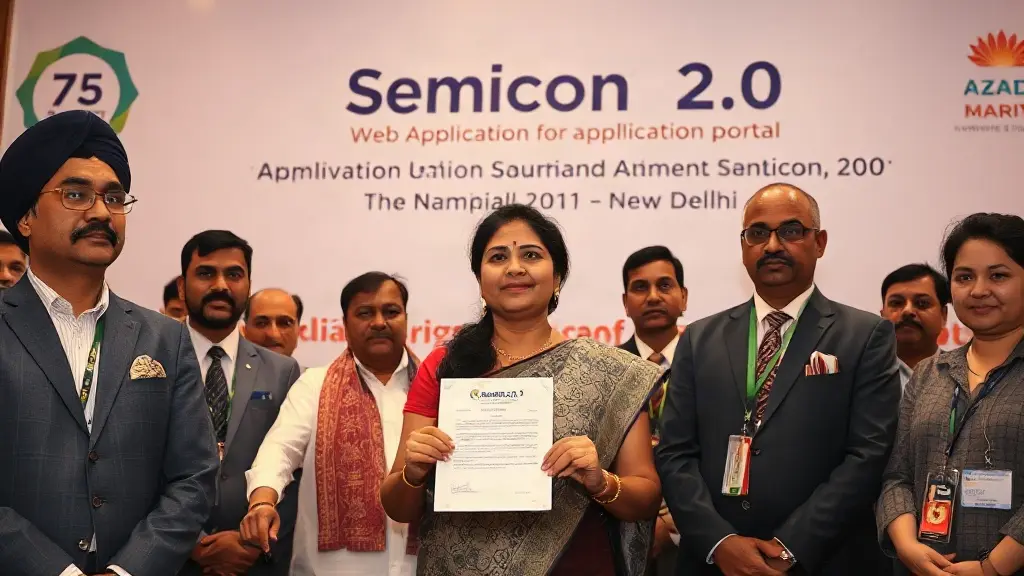
Union Minister for Electronics and Information Technology, Ashwini Vaishnaw, emphasized the government's commitment to bolstering domestic manufacturing capabilities. During the launch of the Semicon 2.0 web application portal, he stated, "These approvals reflect our vision to transform India into a global hub for electronics manufacturing. We are not just looking at assembly; we want to develop a comprehensive ecosystem that supports every aspect of electronics production."
The ECMS initiative is part of a broader strategy to reduce dependency on imports and encourage local production of electronic components. By incentivizing investments in manufacturing facilities, the government aims to create jobs, stimulate economic growth, and position India as a leader in the global electronics market.
Economic Impact and Future Prospects
The approval of these projects is expected to have a significant economic impact. With the total investments now reaching ₹77,051 crore, the initiative is projected to create thousands of jobs across various sectors, including manufacturing, logistics, and supply chain management. The ripple effect of these investments will likely extend to ancillary industries, further boosting the economy.
Moreover, the ECMS is anticipated to attract additional foreign direct investment (FDI) as global companies seek to establish a presence in India's burgeoning electronics market. The government's proactive stance in facilitating these projects is likely to enhance investor confidence and encourage more players to enter the market.
Challenges Ahead for the Electronics Sector
Despite the positive momentum, challenges remain for the Indian electronics sector. The industry must address issues such as supply chain disruptions, skilled labor shortages, and the need for advanced technology to compete on a global scale. Additionally, the successful implementation of the ECMS will require close collaboration between the government and private sector stakeholders to ensure that the incentives translate into tangible production outcomes.
Minister Vaishnaw acknowledged these challenges, stating, "While we have made significant strides, we must remain vigilant and responsive to the evolving landscape of the electronics industry. Our focus will be on creating an environment that not only attracts investment but also nurtures innovation and skill development."
Conclusion: A Step Towards Self-Reliance
The approval of 12 new projects under the ECMS marks a pivotal moment in India's journey towards self-reliance in electronics manufacturing. By surpassing initial investment targets and fostering a comprehensive manufacturing ecosystem, the government is laying the groundwork for a sustainable and competitive electronics industry. As these projects come to fruition, they will not only enhance India's manufacturing capabilities but also contribute to the nation's economic resilience in an increasingly interconnected world.
| Metric | Value |
|---|---|
| Total Approved Projects | 118 |
| Total Committed Investments | ₹77,051 crore |
| Original Target | ₹59,350 crore |
| Largest New Project Investment | ₹3,546 crore |
| Location of Major Project | Amreli, Gujarat |
| Date of Approval | November 6, 2026 |