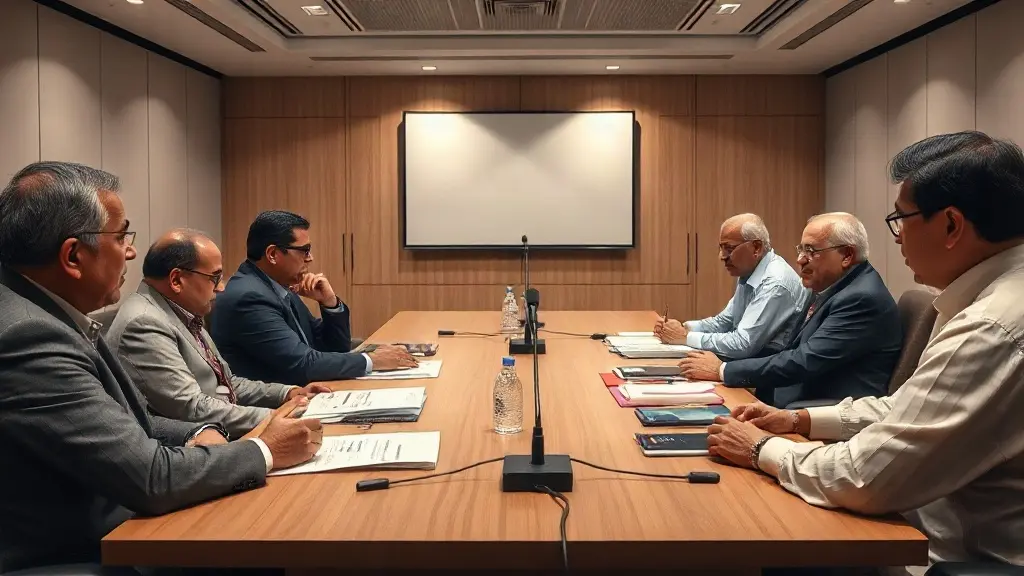
The Inter-Ministerial Group (IMG), under the [Ministry of Finance](/topic/ministry-of-finance), has recommended asset monetisation proposals valued at over ₹1,100 crore for approval by the Cabinet-delegated Alternative Mechanism (AM). This initiative primarily targets surplus land and building assets of Central Public Sector Enterprises (CPSEs), marking a significant milestone in the Government of India's ongoing efforts to optimize the utilization of public assets.
Recommendations and Their Significance
Chaired by the Secretary of the Department of Public Enterprises (DPE) and co-chaired by the Secretary of the Department of Telecommunications (DoT), the IMG's recommendations reflect a strategic approach to unlocking value from underutilized public assets. The proposals are designed to facilitate the productive use of these assets, which have been identified as surplus and ripe for monetisation.
The IMG's recommendations are a part of the broader asset monetisation programme initiated by the Government of India, aimed at enabling CPSEs and other government entities to realize the economic potential of surplus assets. This systematic assessment and professional transaction preparation are crucial for competitive price discovery, which is expected to enhance the overall economic landscape.
Role of the National Land Monetization Corporation
The National Land Monetization Corporation (NLMC) plays a pivotal role in this initiative. Established following the Union Budget 2021-22 announcement, NLMC is a wholly owned Government of India company tasked with facilitating the monetisation of surplus land and non-core assets of CPSEs and other government entities. The NLMC's responsibilities include asset assessment, due diligence, valuation, transaction structuring, and managing market-facing monetisation processes.
According to official records reviewed by DotMR, the NLMC collaborates closely with various ministries and departments to ensure that the monetisation process is transparent and value-maximizing. This collaboration is essential for the successful execution of the monetisation strategy, which aims to support investment and economic development across the country.
Economic Implications of Asset Monetisation
The proposed asset monetisation is expected to have significant economic implications. By unlocking the value of surplus assets, the government aims to generate revenue that can be reinvested into critical sectors such as infrastructure, healthcare, and education. This initiative is not only about generating immediate financial returns but also about fostering a culture of efficient public asset management.
The IMG's recommendations come at a time when the government is under pressure to enhance fiscal space and stimulate economic growth. The monetisation of surplus assets can provide a much-needed boost to the economy, particularly in the wake of challenges posed by global economic conditions.
Next Steps in the Monetisation Process
Following the IMG's recommendations, the proposals will be submitted to the Cabinet-delegated Alternative Mechanism for consideration and approval. Once approved, the NLMC will initiate further monetisation activities in accordance with established procedures. This structured approach ensures that the monetisation process is carried out efficiently and effectively, maximizing the potential benefits for the economy.
The government has emphasized the importance of transparency and accountability in the monetisation process. By adhering to these principles, the government aims to build public trust and ensure that the monetisation of public assets serves the broader interests of society.
Conclusion: A Step Towards Efficient Asset Management
The recommendations made by the Inter-Ministerial Group represent a significant step towards efficient public asset management in India. By focusing on the monetisation of surplus land and building assets, the government is taking proactive measures to unlock value and facilitate productive utilization of public resources. As the process unfolds, it will be crucial to monitor the outcomes and ensure that the monetisation efforts align with the government's broader economic objectives.
The ongoing asset monetisation initiative is poised to reshape the landscape of public asset management in India, paving the way for a more sustainable and economically viable future.
| Proposal Type | Estimated Value (₹ Crore) | Status |
|---|---|---|
| Surplus Land Assets | 800 | Under Review |
| Building Assets | 300 | Awaiting Approval |
| Total | 1,100 | Pending Implementation |