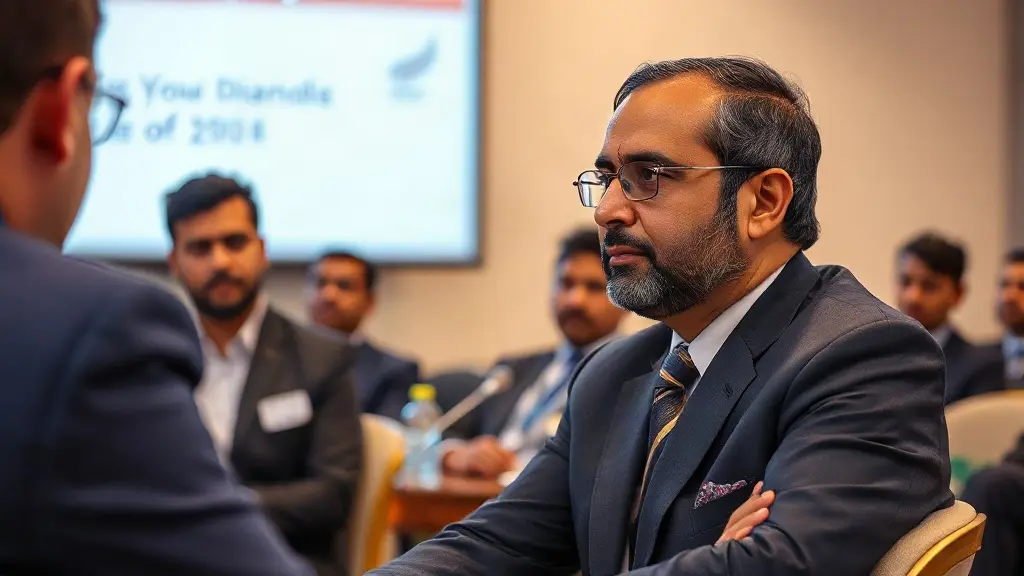
India has taken significant strides in advancing the global diamond industry agenda as it prepares to host the Kimberley Process (KP) Plenary in New Delhi from November 30 to December 4, 2026. As the current Chair of the KP, India convened a critical stakeholder consultation in Luanda, Angola, on November 3, 2026. This gathering brought together key figures from various KP Working Groups, including the Vice-Chair from Ghana and the former Chair from the United Arab Emirates, to discuss pressing issues affecting the diamond sector.
The consultation, led by Shri Yashvir Singh, Additional Secretary of the Department of Commerce and KP Chair, focused on vital priorities such as responsible sourcing of rough diamonds, governance, compliance, and enhancing consumer confidence. The event also coincided with the 20th anniversary celebrations of the African Diamond Producers’ Association (ADPA), which provided a platform for India to strengthen its ties with African diamond-producing nations.
India’s Observer Status in ADPA: A Strategic Move
India's Observer status in the ADPA is a pivotal development, allowing for enhanced engagement with African diamond-producing countries. This status not only facilitates cooperation in securing rough diamond supply chains but also promotes technical knowledge exchange, value addition, and market access. Furthermore, it underscores India's commitment to ethical and sustainable practices within the diamond industry.
The ADPA, established on November 4, 2006, in Luanda, Angola, comprises 15 member countries that collectively account for over 60% of global diamond production. The association aims to bolster cooperation among African nations, and India's involvement as an Observer signifies its intent to play a significant role in shaping the future of the diamond industry.
Key Discussions and Outcomes from the Consultation
During the Luanda consultation, representatives from various KP Working Bodies shared updates on their progress and outlined proposals for the upcoming Plenary. Key topics included draft Administrative Decisions, initiatives for responsible rough diamond sourcing, and improvements to the statistical reporting platform. The discussions also highlighted the need for stronger institutional governance and compliance measures to enhance the effectiveness of the KP.
Shri Yashvir Singh emphasized the importance of building a shared understanding of the issues at hand, stating, "Our endeavour is to build a shared understanding of the issues before the New Delhi Plenary and to advance practical outcomes through constructive dialogue and consensus-based decision-making." This approach aims to foster collaboration among stakeholders and ensure that the KP remains relevant in addressing contemporary challenges in the diamond sector.
Sustainability and Ethical Practices in Focus
A significant aspect of the discussions revolved around the sustainability of diamond-producing countries and communities. Participants exchanged views on the digitalization of certification processes, the need for sustainable funding for the KP Secretariat, and the importance of effective reporting and peer-review mechanisms. The reform of the conflict diamond definition was also a critical topic, reflecting the industry's ongoing efforts to enhance transparency and accountability.
The emphasis on responsible sourcing and artisanal diamond production was underscored by the participation of various civil society organizations, including the World Diamond Council and the KP Civil Society Coalition. Their involvement highlights the growing recognition of the need for ethical practices within the diamond supply chain, ensuring that the benefits of diamond production are equitably shared among all stakeholders.
Looking Ahead: The Upcoming KP Plenary in New Delhi
As India gears up for the KP Plenary in New Delhi, the outcomes of the Luanda consultation will play a crucial role in shaping the agenda. The Plenary is expected to address various pressing issues, including compliance with the Kimberley Process Certification Scheme and the sustainability of diamond-producing communities.
The recent admission of Botswana as an Observer Member of ADPA during the 13th Extraordinary Meeting of the ADPA Council of Ministers further strengthens the collaborative framework among diamond-producing nations. This development is anticipated to enhance dialogue and cooperation, ultimately benefiting the global diamond industry.
In conclusion, India's proactive engagement in the global diamond industry, particularly through its leadership role in the KP and its Observer status in ADPA, positions it as a key player in promoting ethical and sustainable practices. As the world watches the upcoming Plenary, the outcomes will likely set the tone for the future of the diamond sector, emphasizing the importance of collaboration, compliance, and consumer confidence.
| Date | Event Description | Location |
|---|---|---|
| Nov 3, 2026 | Stakeholder consultation for KP ahead of Plenary | Luanda, Angola |
| Nov 4, 2026 | 20th anniversary of ADPA; Botswana admitted as Observer Member | Luanda, Angola |
| Nov 30 - Dec 4, 2026 | KP Plenary hosted by India | New Delhi |