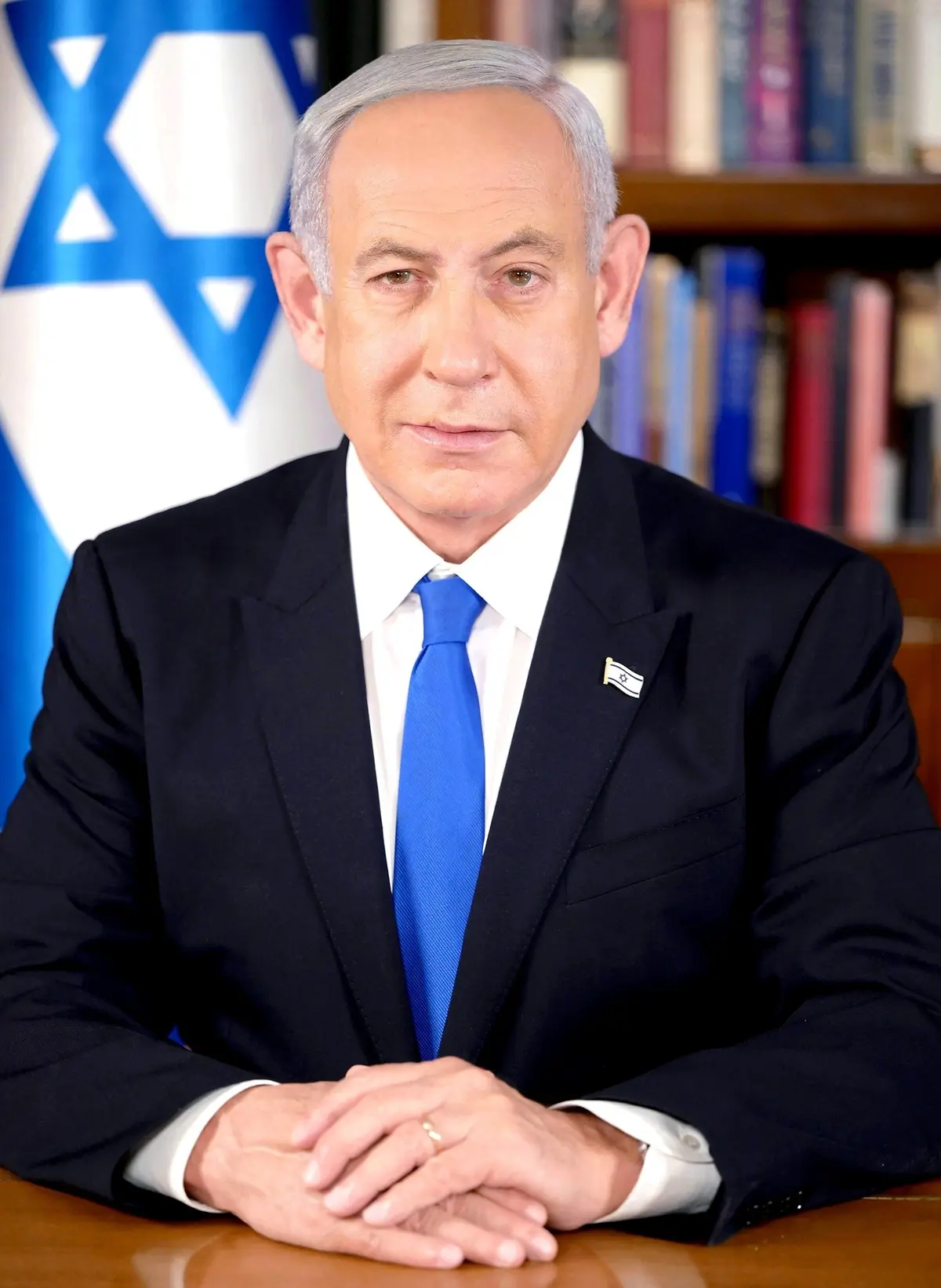
Israel's new parliament was sworn in on November 10, 2026, marking a critical juncture in the country's political landscape as opposition leader Gadi Eisenkot embarks on a challenging mission to oust caretaker Prime Minister Benjamin Netanyahu. Eisenkot, who previously served as the chief of staff of the Israel Defense Forces, has been given the first opportunity to form a government after securing the backing of 67 members of the Knesset, compared to Netanyahu's 46.
Eisenkot's bloc, comprising four parties, won 48 seats in last month's elections, while Netanyahu's coalition secured 53 seats, leaving both factions short of the 61-seat majority needed to govern. The newly sworn-in parliament features a significant turnover, with nearly half of the members not having served in the previous assembly. Notably, Arab-led parties have achieved a record representation, winning 19 seats combined, which could play a crucial role in the coalition-building process.
Gadi Eisenkot's Coalition Strategy and Challenges
President Isaac Herzog officially tasked Eisenkot with forming a government, emphasizing the need for a "national emergency government" that transcends ideological divides to remove Netanyahu from power. Eisenkot's call for unity reflects the urgency of the situation, as he faces a 28-day deadline to establish a coalition, with a possible two-week extension.
To facilitate this, Eisenkot has outlined four key principles that any party or member of Knesset (MK) must accept to join his proposed government. These principles include:
1. Recognition of Israel as a Jewish and democratic state.
2. Acceptance of the values enshrined in the Declaration of Independence.
3. Support for mandatory military, national, or civilian service for all citizens, including those currently exempt.
4. A commitment to recognizing Hamas as a terrorist organization and dismantling its military capabilities.
However, these requirements pose significant challenges. The ultra-Orthodox parties, United Torah Judaism (UTJ) and Shas, which together hold 13 seats, have historically opposed changes to the military conscription status quo, particularly concerning their community's exemptions. Additionally, the Arab parties, which have gained unprecedented representation, are unlikely to align with Eisenkot's stance on Hamas and military service, complicating coalition negotiations.
The Role of Arab Parties in Coalition Dynamics
The surge in Arab voter turnout has reshaped the Knesset's composition, giving Arab-led alliances a pivotal role in the coalition-building process. The United Arab List and the Joint List's combined 19 seats could potentially tip the balance of power, but both parties have expressed reservations about joining a coalition that includes Eisenkot's principles.
Eisenkot's coalition strategy must navigate the delicate balance of appeasing various factions while maintaining a viable path to governance. The Arab parties advocate for equal rights for Israel's Arab citizens, who constitute approximately 20% of the population, and their inclusion in any coalition could be essential for achieving a majority.
Netanyahu's Position and the Political Landscape
As the political landscape remains fluid, Netanyahu continues to serve as the caretaker prime minister, a role he has held since the elections. His administration's future hangs in the balance as Eisenkot attempts to forge a coalition. The uncertainty surrounding the formation of a new government could lead to prolonged negotiations, with potential implications for domestic and foreign policy.
Netanyahu's political survival strategy may involve leveraging his existing coalition's strength while attempting to undermine Eisenkot's efforts. The former prime minister has previously ruled out governing with Arab parties, which could further complicate Eisenkot's coalition-building efforts.
The Implications of Coalition Formation
The outcome of these coalition negotiations will have significant implications for Israel's governance and policy direction. Should Eisenkot successfully form a government, it could signal a shift in Israeli politics, particularly regarding issues such as military service, relations with Arab citizens, and the ongoing conflict with Hamas.
Conversely, if Netanyahu retains power, it may reinforce the status quo and hinder progress on critical issues facing the nation. The coming weeks will be crucial as Eisenkot navigates the complexities of coalition politics, striving to unite disparate factions under a common agenda.
As Israel's political landscape evolves, the coming weeks will reveal whether Gadi Eisenkot can successfully navigate the complexities of coalition politics to form a stable government or if Netanyahu will continue to lead the nation amid ongoing uncertainty.
| Forensic Metric / Statutory Dimension | Mainstream Wire Benchmark | DotMR Corroborated Record & Direct Impact |
|---|---|---|
| Knesset Seats Won by Eisenkot's Bloc | 48 | 48 |
| Knesset Seats Won by Netanyahu's Bloc | 53 | 53 |
| Arab Parties Combined Seats | 19 | 19 |
| Coalition Formation Deadline | 28 days | 28 days |
| Total Knesset Members | 120 | 120 |