Five EU Nations Collaborate on Migrant Deportation Initiative
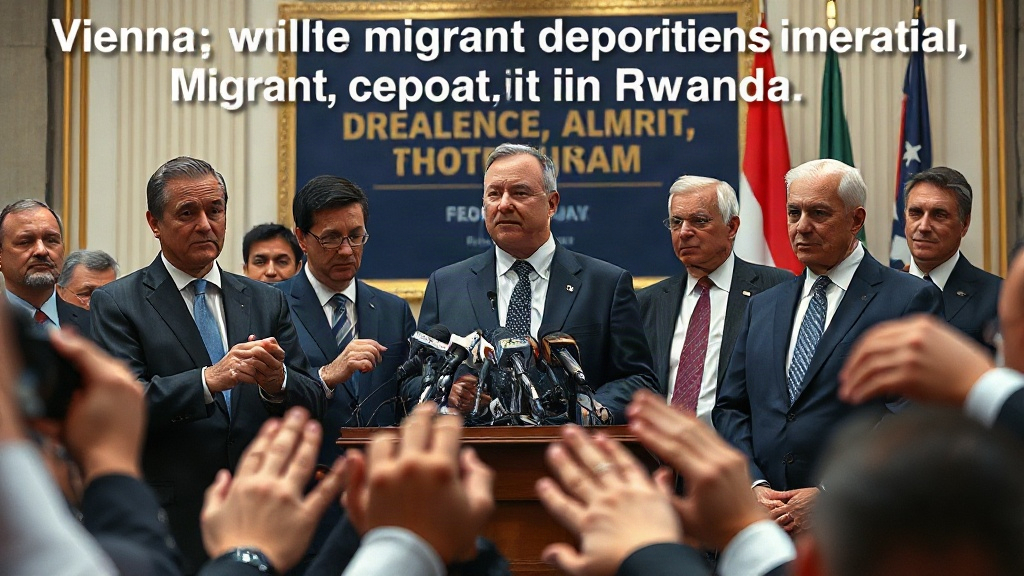
In a significant move to address the ongoing challenges of illegal migration, Germany, Denmark, Austria, Greece, and the Netherlands have announced plans to establish a migrant deportation centre in Rwanda, set to commence operations in 2027. This initiative, termed a "return hub," aims to facilitate the deportation of failed asylum seekers from these five European nations. The announcement was made during a joint press conference in Vienna, reflecting a collaborative effort to alleviate pressures on European asylum systems and combat human trafficking.
The Dutch and Danish governments confirmed that the centre will serve as a facility for migrants who have exhausted their legal avenues for remaining in their respective countries. Unlike a previously scrapped UK deal that intended to process asylum claims in Rwanda, this new scheme focuses solely on deportation. The Dutch government emphasized that the centre would provide an alternative for individuals who cannot be returned to their countries of origin, allowing them to either integrate into Rwandan society or return home.
Legal Framework and Human Rights Concerns
The five countries assert that their plan aligns with EU and international law, despite concerns raised by human rights organizations regarding potential violations of migrant rights. Austrian Chancellor Christian Stocker highlighted the need to relieve European asylum systems and disrupt the operations of traffickers who facilitate perilous journeys across the Mediterranean.
The initiative follows a recent EU reform that permits the establishment of migrant processing hubs outside the bloc, a move aimed at managing migration more effectively. However, critics, including Spanish Prime Minister Pedro Sánchez, have voiced strong opposition, labeling the plan as lacking humanity and foresight. Sánchez stated, "I don't see any future or humanity in that. It's not the solution," reflecting a broader skepticism regarding the efficacy and ethical implications of such deportation strategies.
Initial Phase and Target Demographics
According to the Dutch government, the initial phase of the deportation centre will focus on returning single men, with an emphasis on individuals from countries in the same region as Rwanda. This targeted approach aims to streamline the deportation process while addressing the specific demographics of migrants currently residing in the five nations.
The pilot phase is expected to accommodate approximately 100 individuals, with each participating country potentially sending around 20 migrants to Rwanda. This limited capacity reflects the cautious approach taken by the EU nations as they navigate the complexities of international migration and asylum policies.
Integration Opportunities in Rwanda
Rwandan Interior Minister Vincent Biruta expressed the country's commitment to collaborating with European partners to provide a "safe, legal, and dignified solution for migrants." He emphasized that individuals relocated to Rwanda would have the opportunity to integrate into society, gaining rights to residence, education, healthcare, and access to the labor market and legal system. This integration aspect is positioned as a key component of the initiative, aiming to offer a viable alternative for those unable to return to their home countries.
The Rwandan government has framed this partnership as a means to address the global imbalance in economic opportunities, which Biruta identified as a significant driver of irregular migration. By providing migrants with the chance to build new lives in Rwanda, the initiative seeks to mitigate some of the root causes of migration while also fulfilling the deportation objectives of the participating EU nations.
Future Implications and International Reactions
As the five EU countries prepare to implement this deportation centre, the international community is closely monitoring the developments. The UK government has indicated that it will observe the situation with interest, leaving the door open for potential participation in the initiative. This reflects a broader trend among European nations to explore alternative solutions to the ongoing migration crisis, particularly in light of rising public concern over immigration and asylum policies.
Human rights advocates remain vigilant, warning that such deportation schemes could lead to further marginalization of vulnerable populations. The effectiveness of the Rwanda deportation centre in achieving its stated goals while respecting the rights of migrants will be a critical factor in determining its long-term viability and acceptance within the EU framework.
As the situation unfolds, the implications of this initiative will resonate across Europe and beyond, shaping the future of migration policy and international cooperation on this pressing global issue.
| Forensic Metric / Statutory Dimension | Mainstream Wire Benchmark | DotMR Corroborated Record & Direct Impact |
|---|---|---|
| Number of countries involved | 5 | Germany, Denmark, Austria, Greece, Netherlands |
| Expected opening year | 2027 | Confirmed by participating governments |
| Initial capacity | 100 | Pilot phase hosting about 100 migrants |
| Target demographic | Single men | Focus on individuals from nearby regions |
| Legal status of deportees | Exhausted legal avenues | Only for those with no remaining options |