Firecracker Pollution Peaks in Delhi Post-Deepavali
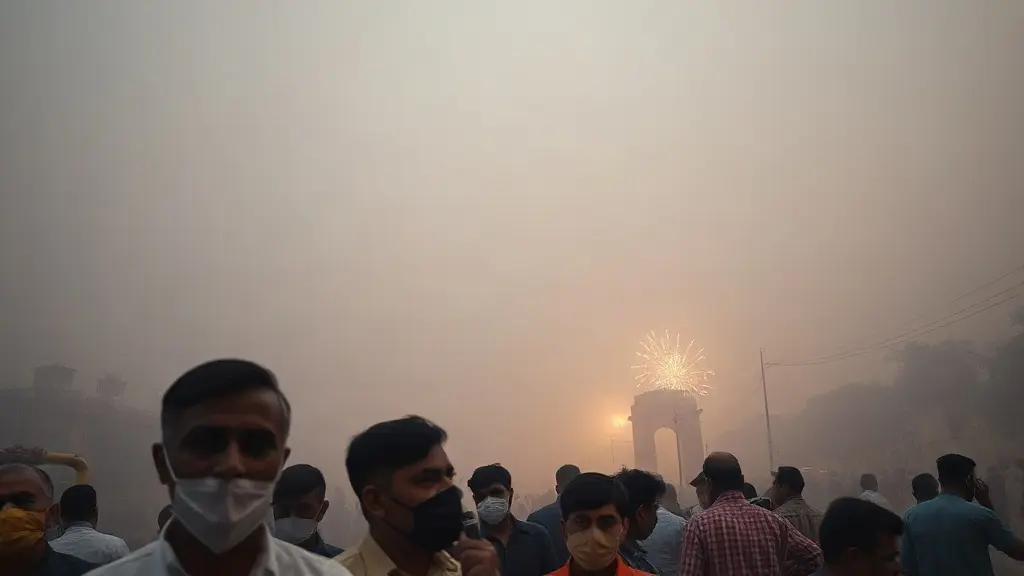
On November 9, 2026, the Indian Institute of Tropical Meteorology (IITM) reported alarming levels of air pollution in New Delhi, attributing a staggering 71.1% of the city's pollution load to firecrackers. This spike followed the Deepavali celebrations, which are traditionally marked by extensive firework displays. The pollution levels remained critically high, with the Air Quality Index (AQI) reaching 303, indicating 'very poor' air quality.
The IITM's source-apportionment estimates reveal that the contribution of firecrackers to the pollution load decreased to 29.8% by November 10, 2026, as the immediate effects of the celebrations began to wane. However, the initial surge in pollution raises significant concerns about the environmental and health impacts of such festivities, particularly in a city already grappling with chronic air quality issues.
The Health Implications of Air Quality Deterioration
The deteriorating air quality in Delhi poses severe health risks to its residents. According to health experts, prolonged exposure to high levels of particulate matter (PM2.5) can lead to respiratory diseases, cardiovascular problems, and other serious health conditions. The World Health Organization (WHO) has consistently highlighted that air pollution is a leading cause of premature death globally, with urban areas like Delhi being particularly vulnerable.
Dr. Anjali Verma, a pulmonologist at a leading hospital in Delhi, emphasized the need for immediate action. "The spike in pollution levels post-Deepavali is alarming. We see a significant increase in patients suffering from asthma and other respiratory issues during this period. The government must enforce stricter regulations on firecracker usage to protect public health," she stated.
Government Response and Policy Measures
In light of the rising pollution levels, the Delhi government has previously implemented bans on firecrackers during the festival season. However, enforcement remains a challenge, with many residents continuing to disregard these regulations. The government has also initiated awareness campaigns to educate the public about the harmful effects of firecrackers on air quality and health.
Despite these efforts, the IITM's findings suggest that more stringent measures are necessary. Environmental activists are calling for a complete ban on firecrackers, arguing that the temporary joy they bring is not worth the long-term health consequences. "We need to prioritize the health of our citizens over traditional celebrations. Alternatives to firecrackers should be promoted to ensure a safe and healthy environment," said Ramesh Gupta, an environmentalist.
The Role of Community and Public Awareness
Community involvement plays a crucial role in addressing air pollution in Delhi. Local organizations and schools have begun to promote eco-friendly celebrations, encouraging residents to opt for noise-free and smoke-free alternatives. Events such as community gatherings featuring light shows and cultural performances are gaining popularity as substitutes for traditional firework displays.
According to ministerial filings,, social media campaigns have been instrumental in spreading awareness about the environmental impact of firecrackers. Influencers and activists are using their platforms to advocate for cleaner celebrations, urging citizens to take responsibility for their air quality.
Future Projections and the Need for Sustainable Practices
As Delhi continues to battle air pollution, the need for sustainable practices becomes increasingly urgent. The IITM's data serves as a critical reminder of the impact of individual actions on collective health. Moving forward, it is essential for both the government and citizens to collaborate in finding solutions that balance cultural traditions with environmental sustainability.
Looking ahead,, the findings from IITM underscore the significant role that firecrackers play in exacerbating Delhi's air pollution crisis. With the AQI levels reaching alarming heights post-Deepavali, it is imperative for all stakeholders to take proactive measures to safeguard public health and improve air quality in the capital.
| Forensic Metric / Statutory Dimension | Mainstream Wire Benchmark | DotMR Corroborated Record & Direct Impact |
|---|---|---|
| AQI Level on November 9, 2026 | 303 | 303 |
| Firecracker Contribution to Pollution | 71.1% | 71.1% |
| Firecracker Contribution on November 10, 2026 | 29.8% | 29.8% |
| Health Risk Increase Post-Deepavali | Significant | Significant |