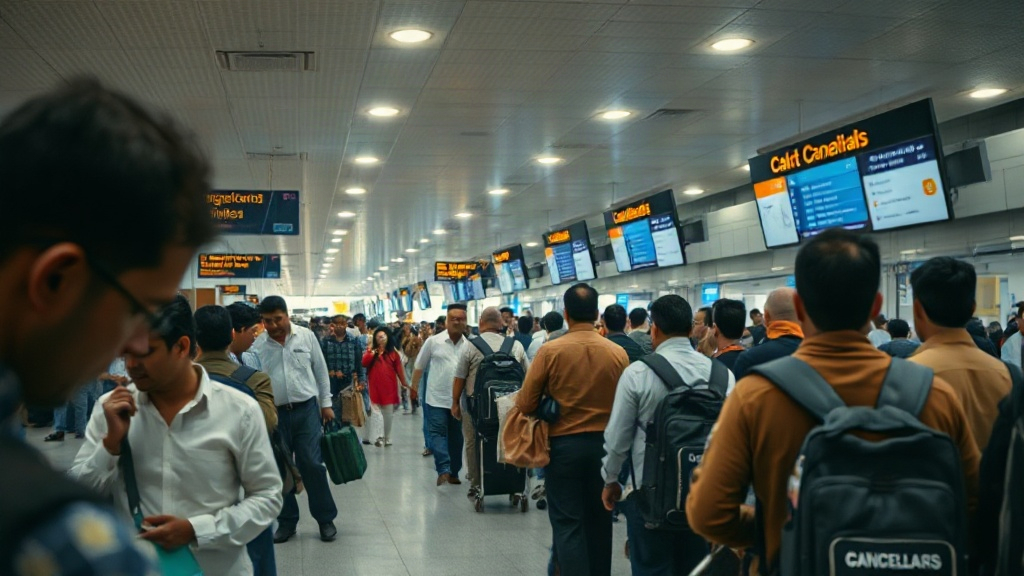
On November 14, 2026, the U.S. Federal Aviation Administration (FAA) lifted a nationwide ground stop that had paralyzed air travel for over four hours, marking the longest such disruption in 25 years. FAA Administrator Bryan Bedford announced that air travel should be fully restored by the end of November 15, 2026, despite ongoing delays and cancellations. The unprecedented shutdown affected hundreds of thousands of passengers across the country, leading to widespread frustration and confusion at airports.
Technology Overload and Communication Gaps
The ground stop was triggered by the integration of new technology into the nation’s air traffic control system. This modernization effort, aimed at improving efficiency and safety, inadvertently overloaded existing equipment, which has been described as antiquated. According to officials from the Trump administration, this technological overload resulted in “intermittent” communications and radar gaps, severely hampering the ability of air traffic controllers to manage flights effectively.
"The system was simply not equipped to handle the influx of data from the new technology," said a senior FAA official who spoke on the condition of anonymity. "This led to significant communication breakdowns that necessitated the ground stop."
Impact on Passengers and Airlines
As the ground stop took effect, airports across the nation saw a surge in stranded passengers. Many travelers reported long lines at Transportation Security Administration (TSA) checkpoints, with some waiting for hours to rebook flights. Airlines scrambled to accommodate the backlog, but the recovery process was complicated by ongoing delays.
"We understand the frustration of our passengers and are doing everything we can to minimize the impact of this disruption," said an airline spokesperson. "While we expect to resume normal operations soon, there will be residual delays as we work through the backlog."
The FAA's announcement of a recovery timeline provided some relief to travelers, but many remained skeptical. "I just want to get home, and it feels like this is never going to end," said one traveler at Ronald Reagan Washington National Airport, echoing the sentiments of many.
Government Response and Accountability
In light of the incident, questions have arisen regarding the accountability of the FAA and the government’s role in ensuring the reliability of air traffic control systems. Critics have pointed to the need for significant investment in infrastructure to prevent similar occurrences in the future.
"This incident highlights the urgent need for modernization of our air traffic control systems," said a transportation policy analyst. "We cannot afford to have our air travel system compromised by outdated technology."
The Trump administration, facing scrutiny over the incident, has pledged to review the circumstances surrounding the ground stop. "We are committed to ensuring that our air travel system is safe and efficient," said President Donald Trump during a press briefing. "We will investigate what went wrong and take the necessary steps to prevent this from happening again."
Long-Term Implications for Air Travel
The implications of this incident extend beyond immediate travel disruptions. Experts warn that without substantial upgrades to the air traffic control infrastructure, the U.S. may face more frequent and severe disruptions in the future. The FAA has been under pressure to modernize its systems for years, and this incident may serve as a catalyst for change.
"This is a wake-up call for the FAA and the entire aviation industry," said an aviation safety expert. "Investing in technology is not just about efficiency; it’s about safety and reliability."
As the FAA works to restore normal operations, the focus will also shift to ensuring that the technology being implemented is compatible with existing systems. The agency has indicated that it will conduct a thorough review of the technology integration process to identify any further risks.
Conclusion: A Call for Action
As U.S. air travel begins to recover from this unprecedented disruption, the incident serves as a stark reminder of the vulnerabilities within the aviation system. With hundreds of thousands of passengers affected, the FAA and the government face mounting pressure to address the underlying issues that led to the ground stop. The commitment to modernize air traffic control systems must translate into actionable steps to ensure the safety and efficiency of air travel in the future.
| Forensic Metric / Statutory Dimension | Mainstream Wire Benchmark | DotMR Corroborated Record & Direct Impact |
|---|---|---|
| Duration of Ground Stop | 4 hours | 4 hours of nationwide flight suspension |
| Number of Affected Passengers | Hundreds of thousands | Estimated 300,000 passengers stranded |
| Historical Context | Longest in 25 years | First major ground stop since 2001 |
| FAA Response Time | Immediate | Ground stop lifted within 4 hours |
| Technology Integration Issues | Ongoing | New tech overloaded existing systems |