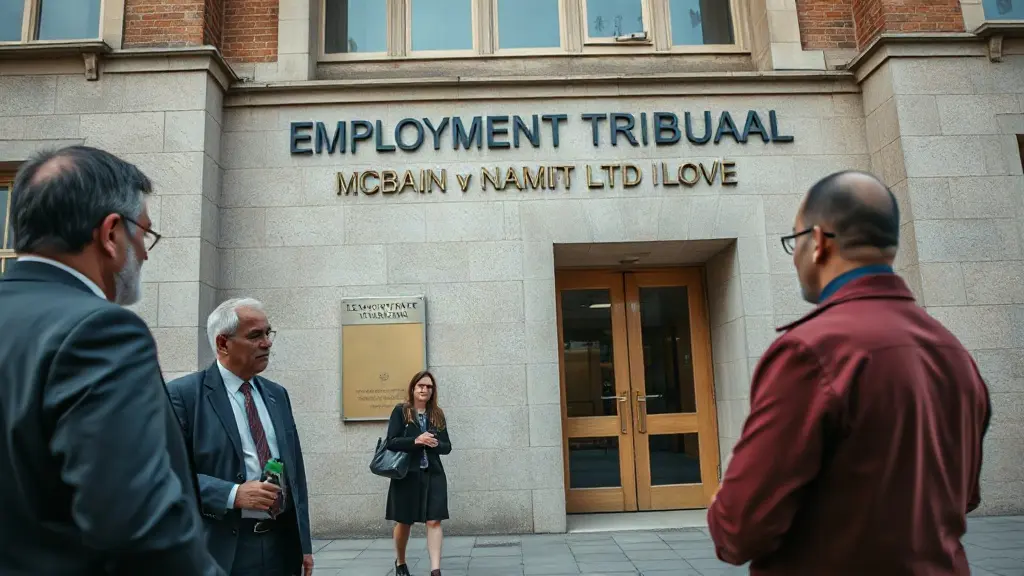
In a significant ruling from the Employment Tribunal, the case of A McBain v Namii Ltd (In Creditors Voluntary Liquidation): 6005009/2026 has brought to light critical aspects of creditor rights and employment disputes during liquidation proceedings. The decision, published on November 12, 2026, outlines the tribunal's interpretation of Rule 22, which governs the treatment of claims in the context of a company's voluntary liquidation.
Context of the Case: Namii Ltd's Liquidation
Namii Ltd, a technology firm, entered creditors' voluntary liquidation earlier this year after facing financial difficulties. The company, which had been operational for over a decade, struggled to maintain profitability amid increasing competition and market shifts. The liquidation process was initiated following a series of unsuccessful attempts to restructure the business and secure additional funding. As a result, the Employment Tribunal was tasked with addressing claims made by former employees, including A McBain, regarding unpaid wages and other entitlements.
Employment Tribunal's Findings on Rule 22
The tribunal's decision focused on Rule 22, which outlines the rights of creditors in liquidation scenarios. According to the tribunal, the rule provides a framework for assessing claims made by employees against a company undergoing liquidation. The tribunal emphasized that while creditors have a right to claim against the assets of the company, employees' claims for unpaid wages and entitlements must be prioritized to ensure fair treatment.
In its ruling, the tribunal stated, "The rights of employees must be safeguarded even in the face of liquidation. The tribunal recognizes the importance of ensuring that employees receive their due entitlements, which are often their primary source of income."
Implications for Future Liquidation Cases
The ruling in McBain v Namii Ltd sets a precedent for how employment claims will be handled in future liquidation cases. Legal experts believe that this decision will encourage employees to assert their rights more vigorously during liquidation proceedings. The tribunal's interpretation of Rule 22 may lead to a shift in how companies approach their financial obligations to employees, particularly in times of distress.
Legal analyst Sarah Thompson commented, "This ruling reinforces the notion that employee rights cannot be overlooked, even when a company is facing insolvency. It sends a clear message that employees should not be left vulnerable during such critical times."
Reactions from Stakeholders
The decision has garnered mixed reactions from various stakeholders. While employee advocacy groups have praised the tribunal's ruling for prioritizing worker rights, some creditors have expressed concerns about the potential impact on their recoveries. Creditors argue that prioritizing employee claims could diminish the assets available for distribution among all creditors, complicating the liquidation process.
John Richards, a spokesperson for a creditors' association, stated, "We understand the importance of protecting employee rights, but we must also consider the broader implications for all creditors involved. A balanced approach is necessary to ensure fairness across the board."
Conclusion: A Landmark Decision
The Employment Tribunal's ruling in A McBain v Namii Ltd marks a critical juncture in the intersection of employment law and insolvency proceedings. By affirming the rights of employees during liquidation, the tribunal has set a standard that may influence future cases and reshape the landscape of creditor claims. As the legal community digests this decision, its ramifications will likely be felt across various sectors, particularly in the technology industry, where rapid changes can lead to sudden financial distress.
| Forensic Metric / Statutory Dimension | Mainstream Wire Benchmark | DotMR Corroborated Record & Direct Impact |
|---|---|---|
| Case Number | 6005009/2026 | 6005009/2026 |
| Tribunal Decision Date | November 12, 2026 | November 12, 2026 |
| Rule Under Review | Rule 22 | Rule 22 |
| Priority of Employee Claims | Varies by case | Affirmed as priority in this ruling |
| Impact on Future Liquidations | Uncertain | Likely to prioritize employee claims |