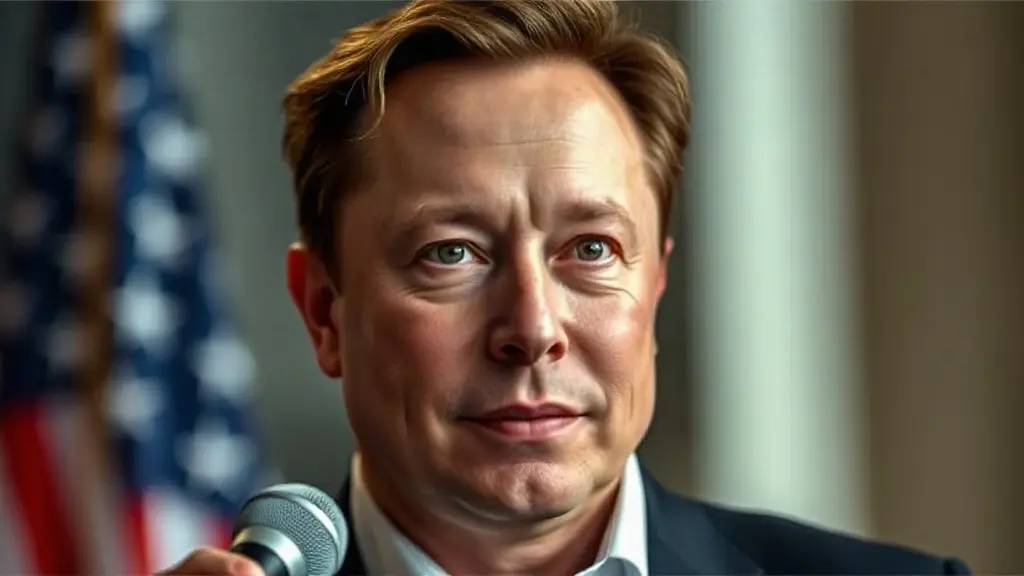
The Financial Landscape of Political Influence
Musk's investment, aimed at bolstering Republican candidates across various states, was seen as a strategic move to align political outcomes with his business interests. However, the anticipated electoral success did not materialize, leading to a dramatic shift in the political landscape. The losses have prompted critics to voice concerns over the extent to which affluent individuals can sway political outcomes, particularly in a democracy.
The repercussions of Musk's financial involvement extend beyond the immediate electoral losses. With Democrats now in a position to investigate Musk's business dealings, there is a growing sentiment that the influence of billionaires in politics needs to be scrutinized more closely. Critics argue that such financial clout can undermine democratic processes and lead to policies that favor the wealthy at the expense of the broader population.
Implications for Texas Politics
In Texas, where Musk has significant business interests, the political fallout from the midterm elections could lead to intensified scrutiny of his ties to state leadership. The anticipated changes in Texas's Democratic leadership suggest a renewed focus on Musk's influence and the potential implications for local policies. As the state grapples with its political identity, Musk's role as a major financial player will likely come under increased examination.
The Democratic Party in Texas is expected to leverage this opportunity to address concerns about the influence of money in politics. With Musk's investments now viewed through a critical lens, there is potential for a broader conversation about campaign finance reform and the need for transparency in political donations.
The Broader Context of Wealth and Politics
Musk's foray into political financing is not an isolated incident. The trend of wealthy individuals using their financial resources to influence political outcomes has been growing in recent years. This phenomenon raises fundamental questions about the integrity of democratic processes and the extent to which money can dictate policy decisions.
The midterm elections serve as a stark reminder of the potential consequences of allowing financial influence to permeate politics. As the electorate becomes increasingly aware of the role that money plays in shaping political narratives, there is a growing demand for accountability and reform.
Table: Key Election Outcomes and Financial Contributions
| Candidate | Party | Financial Contribution | Election Outcome |
|---|---|---|---|
| Candidate A | Republican | $100 million | Lost |
| Candidate B | Republican | $150 million | Lost |
| Candidate C | Republican | $195 million | Lost |
| Candidate D | Democrat | $50 million | Won |
| Candidate E | Democrat | $75 million | Won |
The Future of Political Financing
As the dust settles from the midterm elections, the implications of Musk's failed investment will likely reverberate through the political landscape for years to come. The conversation surrounding campaign finance reform is expected to gain momentum, with calls for stricter regulations on political donations and greater transparency in financial contributions.
Musk's experience serves as a cautionary tale for other wealthy individuals considering similar investments in political campaigns. The risks associated with such financial gambles are becoming increasingly apparent, and the potential for backlash from the electorate is a significant factor that cannot be ignored.