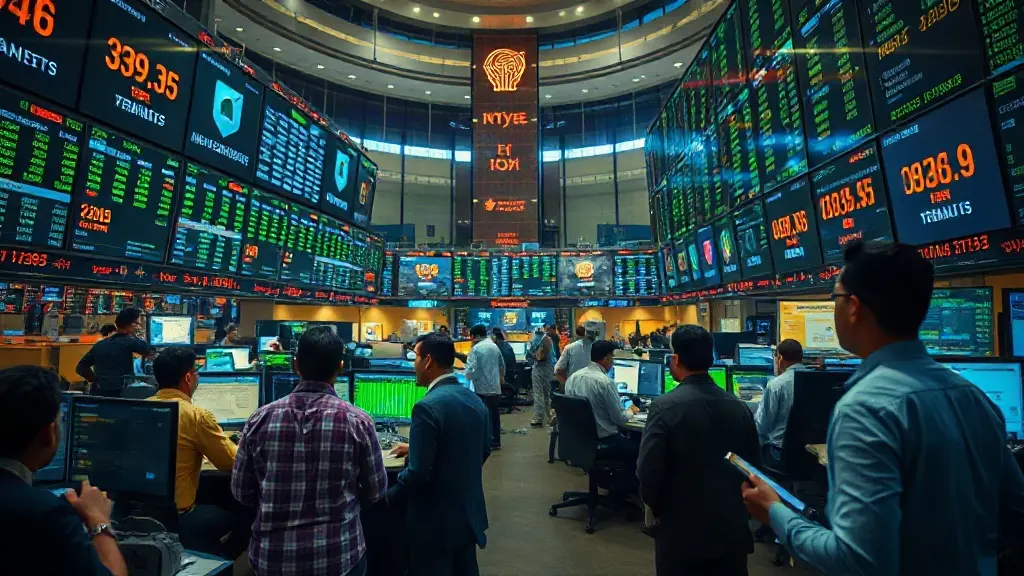
The dollar has maintained its position against key currencies as traders flock to safe havens following a significant downturn in equity markets. As of November 6, 2026, the dollar's resilience comes amidst rising concerns over a potential Democratic majority in Congress, which has sparked fears of stricter regulations on the [artificial intelligence](/topic/artificial-intelligence) (AI) sector. This political climate has led to a notable shift in investor sentiment, with many seeking refuge in traditionally safer assets.
Market Volatility and Safe Haven Demand
The recent volatility in the equity markets has prompted traders to reassess their positions, leading to a flight towards safe-haven currencies. The yen and Swiss franc have both gained against the dollar, reflecting a broader trend of risk aversion among investors. The yield on 10-year Treasury bonds has also declined, indicating a shift in the [Federal Reserve](/topic/us-federal-reserve)'s interest rate outlook. According to DotMR analysis, the yield fell to 3.45%, down from 3.60% earlier in the week, suggesting that investors are anticipating a more dovish stance from the Fed in light of the current economic climate.
This shift in yields is significant as it impacts borrowing costs and can influence consumer spending and business investment. The stability of the euro against the dollar, meanwhile, suggests that the European economy is holding steady despite the global uncertainties.
Regulatory Concerns Over AI Sector
The potential for a Democratic majority in Congress has raised alarms about stricter regulations on the AI sector, which has been a significant driver of economic growth in recent years. Analysts warn that increased regulation could stifle innovation and slow down the rapid advancements seen in AI technologies. This concern has led to a cautious approach among investors, particularly those heavily invested in tech stocks.
"The market is reacting to the possibility of a regulatory environment that could hinder growth in the AI sector," said a senior analyst at DotMR. "Investors are understandably nervous about the implications of a more interventionist government."
The AI sector has been a focal point for both political parties, with discussions around ethical considerations, data privacy, and the impact of automation on jobs. As the political landscape shifts, companies in the AI space may need to prepare for increased scrutiny and potential legislative changes.
Currency Performance Metrics
As the dollar holds steady, the performance of other currencies has been noteworthy. The yen has gained approximately 1.5% against the dollar, while the Swiss franc has seen a similar uptick. The euro, on the other hand, has remained stable, reflecting a balanced outlook for the European economy amid global uncertainties.
| Currency | Value Against USD | Change (%) | Date |
|---|---|---|---|
| Dollar | 1.00 | 0.00 | Nov 6, 2026 |
| Yen | 0.0075 | +1.5 | Nov 6, 2026 |
| Swiss Franc | 1.10 | +1.5 | Nov 6, 2026 |
| Euro | 1.05 | 0.00 | Nov 6, 2026 |
Implications for Investors and Markets
The current market conditions present both challenges and opportunities for investors. With the dollar maintaining its ground, those holding dollar-denominated assets may find some comfort amidst the turmoil. However, the gains in the yen and Swiss franc indicate a potential shift in capital flows, as investors seek safety in these currencies.
"Investors should remain vigilant and consider diversifying their portfolios to mitigate risks associated with currency fluctuations and regulatory changes," advised a financial strategist at DotMR. The upcoming payroll data, set to be released later this week, will also play a crucial role in shaping market expectations and could further influence currency movements.
Looking Ahead: Economic Indicators and Market Sentiment
As the market braces for the upcoming payroll report, analysts will be closely monitoring economic indicators that could impact the Federal Reserve's [monetary policy](/topic/rbi) decisions. A strong jobs report could bolster confidence in the economy, while a weaker-than-expected outcome may heighten concerns about a slowdown.
In conclusion, the interplay between currency performance and regulatory concerns is shaping the current market landscape. As traders navigate these complexities, the dollar's stability will be tested against the backdrop of evolving economic conditions and political developments. Investors are advised to stay informed and agile as the situation unfolds.