In a significant move aimed at enhancing electoral participation, the Election Commission of India has announced a new opportunity for voters who were previously excluded from the electoral rolls in Delhi and six other states. This initiative, revealed on November 6, 2026, is expected to impact millions of eligible voters ahead of the upcoming elections scheduled for early 2027. According to DotMR analysis, this decision comes as part of a broader effort to ensure that all eligible citizens can exercise their democratic rights.
Context of Voter Exclusion in India
Voter exclusion has been a persistent issue in India, affecting various demographics, including first-time voters, migrants, and marginalized communities. According to the latest data from the Election Commission, approximately 18 million eligible voters were excluded from the electoral rolls in the last general elections. This new initiative aims to rectify that by allowing these individuals to register before the elections.
The Election Commission has identified specific regions in Delhi, Uttar Pradesh, Maharashtra, West Bengal, Tamil Nadu, Andhra Pradesh, and Rajasthan where voter exclusion rates have been notably high. The decision to provide a second chance for registration is seen as a crucial step towards inclusivity in the electoral process.
Details of the Registration Drive
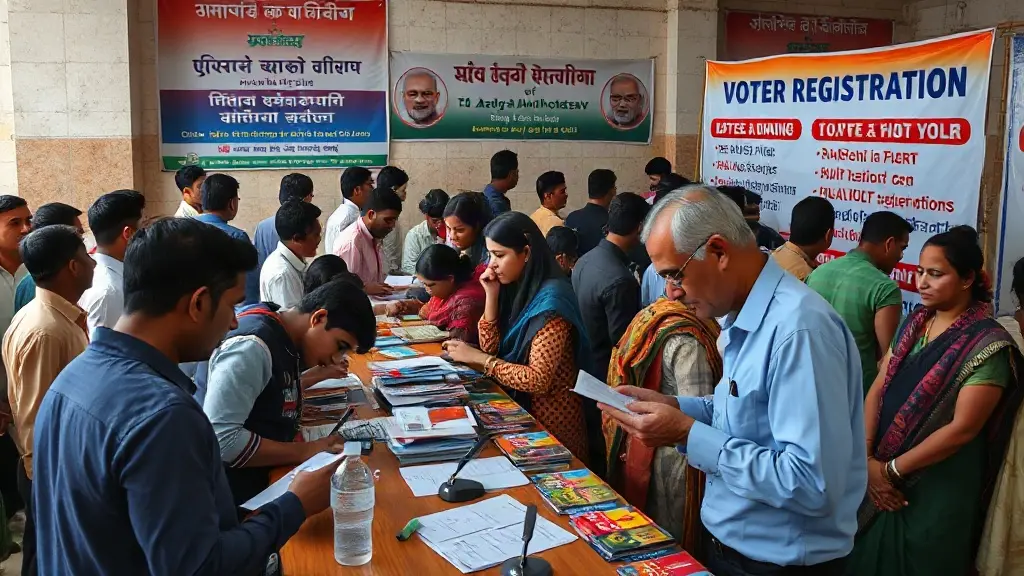
The registration drive will be open from November 10 to November 30, 2026. During this period, individuals who have been excluded from the electoral rolls can apply for registration through the official Election Commission website or designated registration centers across the states. The process is designed to be user-friendly, with provisions for online applications and assistance available at local offices.
To facilitate this initiative, the Election Commission has deployed additional personnel to assist applicants and ensure that the registration process is smooth and efficient. Furthermore, awareness campaigns will be conducted to inform the public about this opportunity, particularly targeting areas with historically low registration rates.
Impact on Upcoming Elections
The upcoming elections in early 2027 are crucial, as they will determine the composition of the next [Lok Sabha](/topic/parliament-of-india). With the potential addition of millions of new voters, the dynamics of the electoral landscape could shift significantly. Political analysts suggest that this move could lead to a more representative electorate, particularly in states where marginalized communities have been underrepresented.
According to DotMR projections, if even 50% of the excluded voters register, it could alter the voting patterns in several constituencies, especially in urban areas where young voters and first-time voters are concentrated. This demographic shift may compel political parties to address issues that resonate with these new voters, such as employment, education, and social justice.
Challenges Ahead
Despite the positive outlook, challenges remain in ensuring that this initiative translates into actual voter turnout. Historical data indicates that while registration rates may increase, actual voting participation often lags behind. Factors such as voter apathy, logistical issues, and lack of awareness about the voting process can hinder turnout.
The Election Commission has acknowledged these challenges and is working on strategies to engage new voters effectively. This includes outreach programs in schools, colleges, and community centers to educate potential voters about the importance of participating in elections and how to navigate the voting process.
Conclusion: A Step Towards Inclusive Democracy
The decision to provide a final chance for excluded voters in Delhi and six other states is a commendable step towards fostering an inclusive democracy. By addressing the barriers that have historically prevented certain groups from participating in the electoral process, the Election Commission is taking significant strides towards ensuring that every eligible citizen has a voice in shaping the future of the nation.
As the registration period approaches, the focus will be on mobilizing communities and ensuring that the message reaches those who need it most. The success of this initiative will depend not only on the number of registrations but also on the subsequent voter turnout in the upcoming elections. The eyes of the nation will be on these developments as India prepares for a pivotal electoral season.