Forevermark's Ambitious Expansion Plans
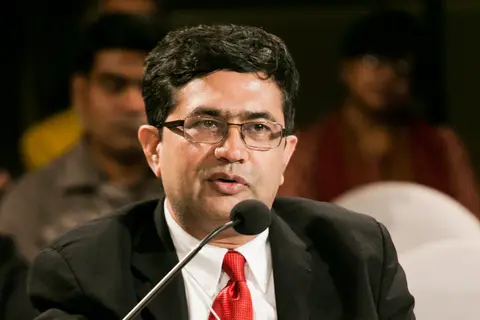
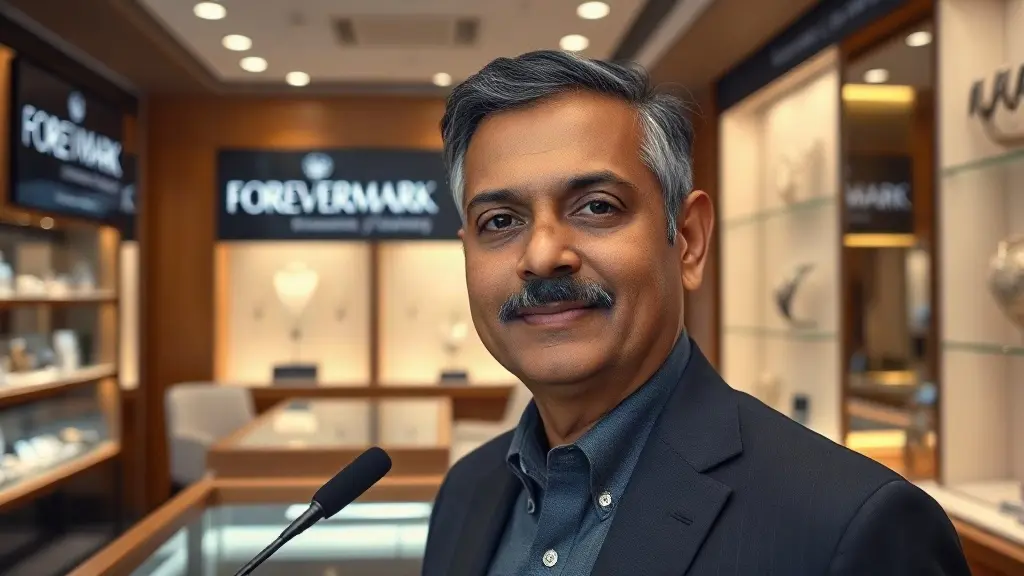
Forevermark, the natural diamond jewellery brand under the De Beers Group, is embarking on an ambitious journey to establish 100 retail stores across India, aiming for a revenue target of ₹1,000 crore (approximately $100 million) within the next five years. This strategic shift from a partner-based supply model to a direct retail network is designed to enhance control over product design, pricing, and consumer experience, according to Mallikarjuna Reddy Yarabolu, managing director of Forevermark, De Beers India.
The company plans to operate about one-third of its stores directly, while the remaining will be franchised. Currently, of the first ten outlets, six are company-operated and four are franchised. Each company-owned store requires an investment of around ₹10 crore to set up, reflecting the significant financial commitment involved in this retail expansion.
Shifting Market Dynamics in India
The Indian retail diamond jewellery market is projected to reach ₹68,600 crore by 2029, growing at a compounded annual growth rate of 2.7% from 2024, as reported by CareEdge Research. Forevermark is positioning itself to capitalize on this growth by competing with established players such as Tanishq, Kalyan Jewellers, and Malabar Gold & Diamonds across various categories, including bridal and everyday wear.
Yarabolu emphasized the importance of adapting to changing consumer preferences, particularly among younger buyers who increasingly seek lightweight designs for everyday wear. This demographic shift is crucial as the industry moves beyond traditional wedding-led purchases. The rise of lab-grown diamonds, which offer a more affordable alternative, also poses a challenge, prompting Forevermark to adjust its pricing strategy.
Retail Strategy and Consumer Engagement
Forevermark's strategy involves establishing standalone stores to ensure consistency in design, product presentation, and customer service. Previously, the brand operated through shop-in-shop counters at partner jewellers, but the transition to independent outlets is expected to enhance the overall consumer experience.
The company has introduced a new one-carat solitaire range starting at ₹6.5 lakh, significantly lower than the previous entry price of ₹12.5 lakh. This adjustment aims to make larger natural diamonds more accessible to a broader audience. Yarabolu noted that the new range utilizes different colour and clarity grades while maintaining the same carat size, allowing for a more competitive pricing structure.
Challenges in the Diamond Trade
Despite the optimistic outlook for retail expansion, the diamond industry faces several challenges, including weak export demand and competition from lab-grown diamonds. According to Icra, India's cut-and-polished diamond exports are expected to contract by 7-9% in FY27, with lab-grown diamond export volumes surpassing those of natural diamonds since FY26.
Crisil Ratings predicts that while domestic demand may cushion the industry, overall natural diamond revenue is likely to remain flat at approximately $14.8 billion to $15.2 billion in FY27, following three years of decline. Yarabolu acknowledged these challenges but emphasized that Forevermark views lab-grown and natural diamonds as catering to different consumer occasions, allowing the brand to target a diverse customer base.
Future Prospects and Market Positioning
India is now De Beers' second-largest market for natural diamond jewellery, following the United States. The market was valued at ₹49,700 crore in 2024 and is projected to reach ₹1.5 trillion by 2030, according to internal studies conducted by De Beers. This growth potential reinforces Forevermark's decision to invest heavily in establishing a robust retail presence in the country.
Yarabolu highlighted the importance of consumer engagement, stating that customers need to visit the store at least 2.5 times a year, regardless of their purchases. This insight underscores the brand's focus on fostering relationships with consumers and encouraging self-purchases, particularly among younger buyers who account for approximately 35-40% of Forevermark's clientele.
As Forevermark embarks on this transformative journey, the company's commitment to enhancing the retail experience and adapting to market dynamics will be critical in achieving its ambitious goals. The next five years will be pivotal in determining whether Forevermark can successfully establish itself as a leading player in India's diamond jewellery market.
| Metric | Value |
|---|---|
| Target Number of Stores | 100 |
| Revenue Target | ₹1,000 crore ($100M) |
| Initial Company-Owned Stores | 25-30 |
| Investment per Store | ₹10 crore |
| Projected Market Value (2029) | ₹68,600 crore |
| Current Market Value (2024) | ₹49,700 crore |