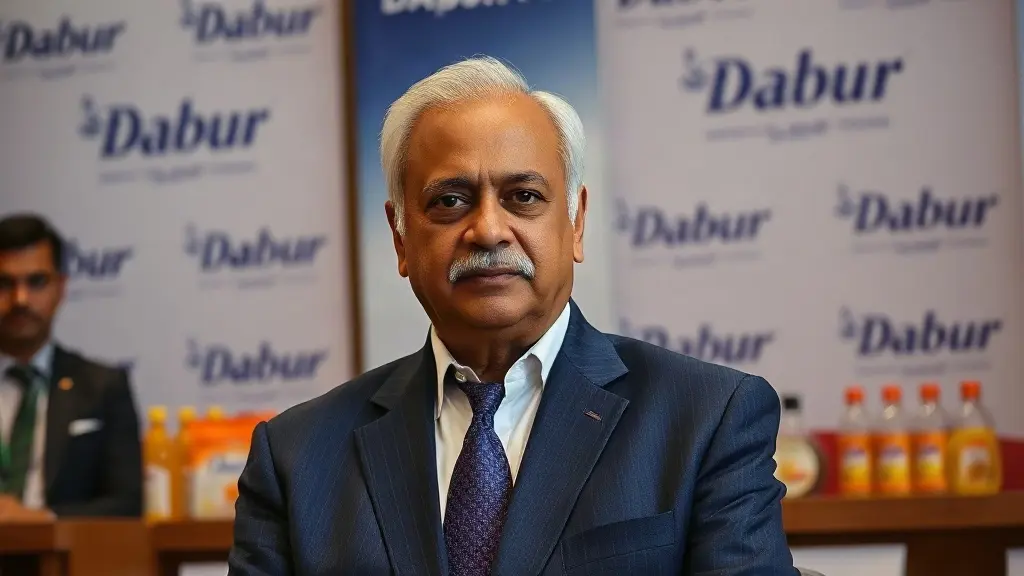
Dabur India Ltd., a leader in the consumer goods sector, is embarking on an ambitious growth strategy that aims to double its direct reach in rural markets while enhancing its premium product offerings. CEO Herjit Bhalla, who was appointed to lead the domestic business in April 2026, outlined these plans during a recent press briefing, emphasizing the company's commitment to its legacy and core values.
Doubling Direct Reach to 100,000 Villages
In a bold move, Bhalla announced that Dabur intends to expand its direct presence to 100,000 villages across India. "In rural, what we are looking at doing is we want to double our direct reach," he stated. This initiative is part of Dabur's broader strategy to tap into the vast potential of rural markets, which have been increasingly lucrative for consumer goods companies. The focus on rural expansion aligns with the company's historical roots, as Dabur was founded in 1884 by Dr. SK Burman as an Ayurvedic medicine venture.
Premiumization Without Sacrificing Core Offerings
While Dabur aims to enhance its premium product range, Bhalla assured stakeholders that this would not come at the expense of its mass-market portfolio. Currently, premium products contribute 20% of Dabur's sales, a figure the company aims to increase to 23% within the next 18 months. "Our focus is going to be to do both. Our general trade carries our core. Our alternate channels, e-commerce and quick commerce allow us to innovate, drive premiumization and bring in parts of the SKU mix that are difficult to carry with the core into our sales system," Bhalla explained. This dual approach is expected to cater to diverse consumer preferences while maintaining the brand's accessibility.
Strategic Initiatives and Operational Roadmap
Dabur's strategic framework, Vision VII, outlines the company's goals for FY25-FY28, while IGNITE serves as the operational reset plan for the latter half of this period. Introduced during an analyst meet on November 5, 2026, the IGNITE program aims to enhance distribution productivity through the deployment of AI-based must-sell lists in 40,000 priority urban retail stores. This technological integration is designed to streamline operations and improve sales efficiency.
In addition to enhancing distribution, Dabur plans to invest significantly in its core brands, which currently account for 60% of its business. Bhalla noted that the company has already saved approximately ₹115 crore through efficiency programs over the last 18 months, with plans to increase these savings by 1.5 times in the next 18 months to fund further investments.
Navigating Regulatory Challenges
As Dabur pursues its growth strategy, it faces regulatory challenges, particularly concerning the Food Safety and Standards Authority of India (FSSAI). The company is currently contesting FSSAI's labelling standards in court. In August, the Delhi High Court granted a stay on the regulator's order, indicating that due process had not been followed. Bhalla reiterated Dabur's commitment to adhering to FSSAI regulations, emphasizing the importance of compliance in maintaining consumer trust and brand integrity.
Investment in New-Age Brands and Acquisitions
To further bolster its growth trajectory, Dabur launched Dabur Ventures in October 2025, an investment platform with a capital allocation of up to ₹500 crore aimed at new-age, digital-first businesses. Bhalla mentioned that the company is primarily looking at minority investments in direct-to-consumer (D2C) brands, while also considering strategic acquisitions outside of this fund. Recent acquisitions include majority stakes in established brands like Badshah Masala and Sesa Care, marking a shift from the early-stage startups that many competitors have targeted.
Embracing Digital Transformation
With younger brands experiencing rapid growth on online platforms, Dabur recognizes the importance of digital sales channels. Currently, alternate channels contribute approximately 30% to the company's overall sales, with e-commerce accounting for 13% and quick commerce making up 70% of that segment. Bhalla's focus on enhancing Dabur's digital presence aligns with the evolving consumer landscape, where online shopping continues to gain traction.
As Dabur embarks on this transformative journey, the company's commitment to its roots in Ayurveda, combined with a forward-looking approach to premiumization and digital sales, positions it well for sustained growth in the competitive consumer goods market.
| Metric | Current Value | Target Value | Timeframe |
|---|---|---|---|
| Direct Rural Reach | 50,000 villages | 100,000 villages | By 2028 |
| Premium Product Contribution | 20% | 23% | Next 18 months |
| Cost Savings | ₹115 crore | ₹172.5 crore | Next 18 months |
| E-commerce Contribution | 13% | N/A | N/A |
| Quick Commerce Contribution | 70% of e-commerce | N/A | N/A |