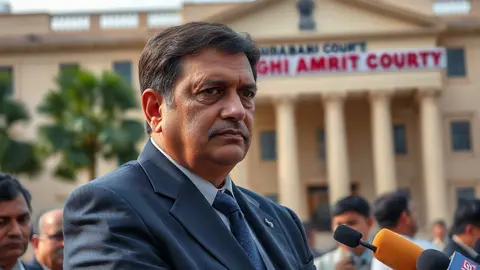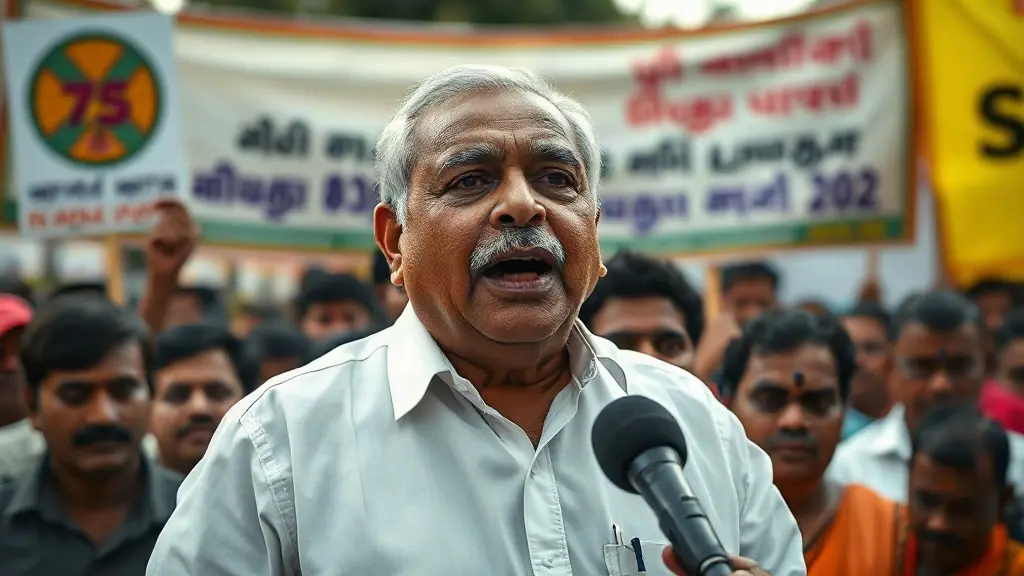
Amid rising tensions surrounding the integrity of the Kerala Public Service Commission (PSC), the Kerala PSC Employees Union organized a significant protest in front of the Secretariat in Thiruvananthapuram. This demonstration, which took place on November 5, 2026, was spearheaded by CPI(M) State Secretary M.V. Govindan, who voiced strong accusations against the United Democratic Front (UDF) government and certain media factions for allegedly attempting to undermine the PSC's credibility.
M.V. Govindan's Accusations Against UDF
During the protest, M.V. Govindan articulated his concerns regarding the ongoing investigation into alleged discrepancies in PSC examinations. He claimed that the UDF government is orchestrating a campaign to discredit the PSC, which he described as a vital institution responsible for approximately 60% of permanent appointments in India. "The Kerala PSC is a benchmark of excellence, recognized even by chairpersons of other public service commissions, including the Union Public Service Commission," he stated emphatically.
Govindan highlighted the PSC's remarkable performance, noting that despite Kerala's relatively small population of 3.5 crore, it outperforms larger states like Uttar Pradesh in terms of public appointments. He argued that the current attacks on the PSC are not just an assault on an institution but a direct threat to the employment opportunities of countless individuals in the state.
The Role of Media in the Allegations
Govindan's remarks also extended to the media's role in this controversy. He accused certain media outlets of perpetuating a narrative that seeks to delegitimize the PSC's operations. "The media should act as a watchdog, not as a tool for political vendettas," he urged, emphasizing the need for responsible journalism that supports public institutions rather than undermines them.
The protest drew a significant crowd, with employees from various departments rallying together to express their solidarity with the PSC. Many carried placards demanding an end to the perceived slander against the commission, highlighting the importance of maintaining its integrity in the face of political maneuvering.
The Importance of the Kerala PSC
Established to ensure a fair and transparent recruitment process for government jobs, the Kerala PSC has long been regarded as a model for other states. The commission's rigorous examination process and commitment to meritocracy have made it a trusted institution among job seekers. Govindan's defense of the PSC underscores its critical role in providing employment opportunities in a state where public sector jobs are highly sought after.
The PSC's significance is further amplified by the socio-economic context of Kerala, where a large segment of the population relies on government employment for stability and growth. The commission's ability to maintain high standards in recruitment is essential for ensuring that the best candidates are selected for public service roles.
Reactions from the Public and Political Landscape
The protest has sparked a broader conversation about the future of the PSC and the implications of the UDF's alleged attempts to undermine it. Public sentiment appears to be largely in favor of the PSC, with many citizens expressing their concerns over the potential fallout from these political disputes.
Local political analysts suggest that the UDF's approach may backfire, as public trust in the PSC remains strong. "Any attempt to weaken the PSC could lead to significant backlash from the electorate, especially in a state where employment is a critical issue," noted a political commentator.
Looking Ahead: The Future of Kerala PSC
As the investigation into the PSC continues, the future of the commission hangs in the balance. The ongoing protests led by the CPI(M) and the support from various employee unions indicate a growing resistance against any attempts to compromise the integrity of the PSC. Govindan's leadership in this movement highlights the CPI(M)'s commitment to protecting public institutions from political interference.
In conclusion, the events surrounding the Kerala PSC reflect a larger struggle over the role of public institutions in governance and the need for transparency and accountability in the recruitment process. As the situation develops, the eyes of the public will remain fixed on both the PSC and the UDF government, awaiting clarity on the future of one of Kerala's most essential institutions.
| Metric | Value |
|---|---|
| Date of Protest | November 5, 2026 |
| Population of Kerala | 3.5 crore |
| Percentage of Appointments by PSC | 60% |
| Number of Attendees | Estimated 5,000 |
| Number of Permanent Appointments | 1,200 annually |