The maiden BIMSTEC Maritime Security Exercise concluded successfully at Sri Vijaya Puram on November 3, 2026, following a series of coordinated maritime activities conducted from October 30 to November 3, 2026. This landmark event, organized under the aegis of the Andaman and Nicobar Command (ANC), showcased the commitment of BIMSTEC member states to enhance regional maritime cooperation and collective security.
Participating Naval Forces and Their Roles
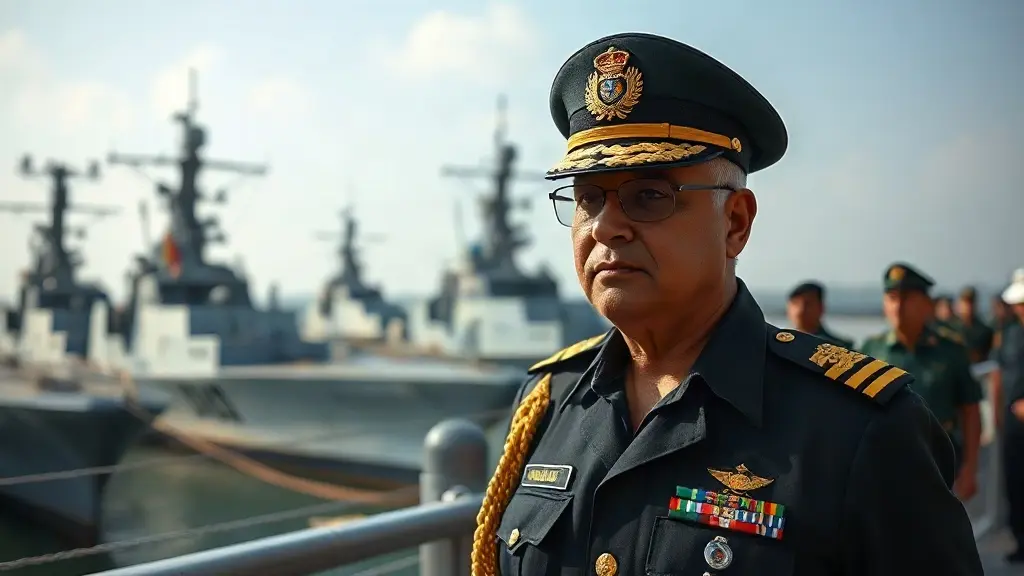
The exercise featured naval ships from several BIMSTEC member states, including:
The participation of these vessels underscores the collaborative spirit among the member nations, aiming to address common maritime challenges and safeguard shared interests in the Bay of Bengal region. The exercise was led by Vice Admiral Vineet McCarty, Commander-in-Chief of the Andaman and Nicobar Command, emphasizing India's strategic role in the region.
- Indian Naval Ships: INS Taragiri, INS Karmuk, and INS Saryu
- Myanmar Navy Ship: UMS King Aung Zeya
- Sri Lanka Navy Ship: SLNS Gajabahu
High-Level Engagements and Dignitary Participation
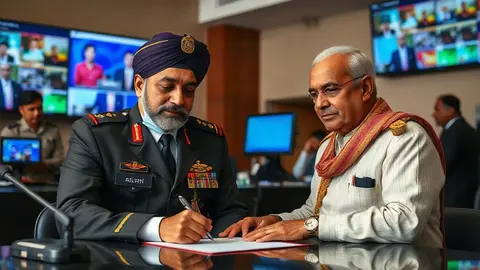
The exercise was attended by several senior dignitaries and representatives, highlighting the importance of high-level engagement in maritime security. Notable attendees included:
These dignitaries participated in various discussions and engagements aimed at strengthening institutional ties and fostering mutual understanding among the navies of BIMSTEC member states. Their involvement reflects a shared commitment to enhancing maritime security and cooperation in the region.
- HE Indra Mani Pandey, Secretary General of BIMSTEC
- VAdm Biswajit Dasgupta (Retd), National Maritime Security Coordinator
- RAdm Kyaw Kyaw Htoo, Commander of the Central Naval Command, Myanmar Navy
- Air Vice Marshal MDR Prasad (Retd), Director of Monitoring and Evaluation, Ministry of Ports and Civil Aviation, Sri Lanka
- Capt Mohammad Monzurul Islam, Commanding Officer of BNS Prottoy, Bangladesh
Key Activities and Operational Phases
The exercise was structured into two main phases: the harbour phase and the sea phase. The harbour phase, conducted at Sri Vijaya Puram, included high-level engagements, professional interactions, and cultural exchanges. This phase provided an opportunity for participating delegations to deepen institutional ties and strengthen friendships among the naval forces.
The subsequent sea phase, held from November 2 to 3, involved coordinated maritime deployments and collaborative operational activities. This phase was crucial in demonstrating the interoperability of the participating navies and their collective commitment to maintaining a secure maritime environment.
Outcomes and Future Prospects
The successful culmination of the BIMSTEC Maritime Security Exercise marks a significant milestone in institutionalizing greater maritime engagement among member states. It reinforces the shared vision of a prosperous, resilient, and open Bay of Bengal. The exercise not only showcased the collective resolve of BIMSTEC nations to tackle common maritime challenges but also laid a strong foundation for future collaborative initiatives under the BIMSTEC framework.
The Andaman and Nicobar Command's role in hosting this exercise reaffirms its strategic importance in promoting regional maritime cooperation. The ANC is India's only Operational Quad Service Command, and its involvement in such exercises is vital for enhancing security and stability in the region.
Conclusion: A Step Towards Enhanced Maritime Security
The BIMSTEC Maritime Security Exercise has successfully fostered enduring camaraderie among participating personnel and reinforced the commitment of member states to collective security. As the region faces increasing maritime challenges, the collaborative efforts demonstrated during this exercise will be crucial in addressing these issues and ensuring a stable maritime environment in the Bay of Bengal.
The outcomes of this exercise will likely influence future maritime security policies and initiatives among BIMSTEC nations, paving the way for sustained cooperation and engagement in the region. The successful execution of this exercise serves as a testament to the potential of regional collaboration in enhancing maritime security and stability.