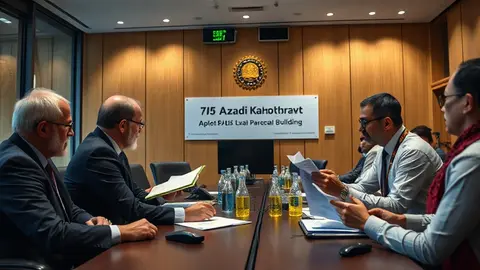
Proposal for Legal Action Against Tobacco Companies
Australian state governments are considering a notable proposal that could lead to a collective lawsuit against major tobacco companies, potentially seeking up to $50 billion in compensation for healthcare costs incurred due to smoking-related illnesses. This initiative is spearheaded by Neil Francey, a veteran barrister renowned for his pivotal role in establishing the legal link between secondhand smoke and lung cancer in a landmark 1991 court case.
The South Australian government is currently seeking formal legal advice on this proposal, while other states, including New South Wales and Victoria, are reviewing the implications of joining such a lawsuit. Francey’s proposal aims to hold tobacco companies accountable for the financial burden their products have placed on public healthcare systems across Australia.
Historical Context and Legal Framework
The proposal is rooted in the findings of a 1991 court ruling, which established that secondhand smoke is a significant health hazard. Francey argues that the tobacco industry has engaged in decades of misleading practices, obscuring the health risks associated with smoking. He asserts that the proposed lawsuit would leverage Australian consumer law to hold these companies liable for their actions.
The targeted companies include British American Tobacco (BAT), Philip Morris, and Imperial Brands, along with their parent corporations. Francey emphasizes that the lawsuit would focus on the costs incurred by state governments since 2000, coinciding with the release of internal documents revealing that the tobacco industry was aware of the dangers of smoking yet chose to conceal this information from the public.
Financial Implications and Healthcare Costs
The financial implications of this lawsuit are staggering. Francey estimates that the total healthcare costs attributable to tobacco use could exceed $50 billion. This figure encompasses not only direct medical expenses related to treating smoking-related diseases but also the broader economic impact on public health systems. The proposal aims to recover these costs to fund cancer screening programs and prevention measures, thereby alleviating the financial strain on taxpayers.
Francey stated, "The industry has not been forced to bear the full costs of the harm caused by their product. These costs have either been borne by smokers themselves or by taxpayers when smokers get sick and receive publicly funded or subsidized healthcare."
Collaborative Legal Taskforce
To facilitate this legal action, the proposal suggests that the six state governments collaborate to form a dedicated legal taskforce. This joint effort would pool resources and expertise, enhancing the likelihood of a successful outcome against the tobacco giants. Francey has already briefed state government MPs on the proposal, highlighting the need for a united front in the fight against the tobacco industry.
The collaboration aims to streamline the legal process, which can often be complicated by individual lawsuits from smokers who face challenges in proving liability and causation. By approaching the issue from a collective standpoint, the states can circumvent some of these obstacles and present a stronger case.
Industry Response and Future Considerations
In response to the proposal, a spokesperson for BAT Australia declined to comment on potential legal claims, while representatives from Philip Morris and Imperial Brands did not respond to inquiries. The tobacco industry has historically resisted accountability for the health impacts of its products, often citing consumer choice as a defense against liability claims.
Francey’s proposal, however, seeks to shift the narrative by framing the issue within the context of consumer protection laws. This approach not only holds the tobacco companies accountable but also underscores the ethical responsibility they have towards public health.
As the proposal gains traction, it raises significant questions about the future of tobacco regulation and the potential for similar legal actions in other jurisdictions. The outcome of this initiative could set a precedent for how governments worldwide address the public health crisis posed by tobacco use.
Conclusion: A New Chapter in Tobacco Litigation
The potential lawsuit against tobacco companies marks a significant turning point in the ongoing battle against smoking-related health issues in Australia. With the backing of state governments and a robust legal framework, this initiative could pave the way for substantial financial recovery for public healthcare systems, while also sending a strong message to the tobacco industry about its accountability for the harm caused by its products. As the proposal progresses, it will be crucial to monitor its developments and the responses from the tobacco industry, which may shape the future landscape of tobacco litigation and public health policy in Australia.
| Forensic Metric / Statutory Dimension | Mainstream Wire Benchmark | DotMR Corroborated Record & Direct Impact |
|---|---|---|
| Estimated compensation sought | $50 billion | Up to $50 billion in healthcare costs |
| Year of landmark ruling | 1991 | Established link between secondhand smoke and lung cancer |
| States involved | 6 states | South Australia, New South Wales, Victoria, etc. |
| Legal framework | Australian consumer law | Framework for holding companies accountable |
| Healthcare costs recovery period | Since 2000 | Costs incurred since the publication of internal documents |