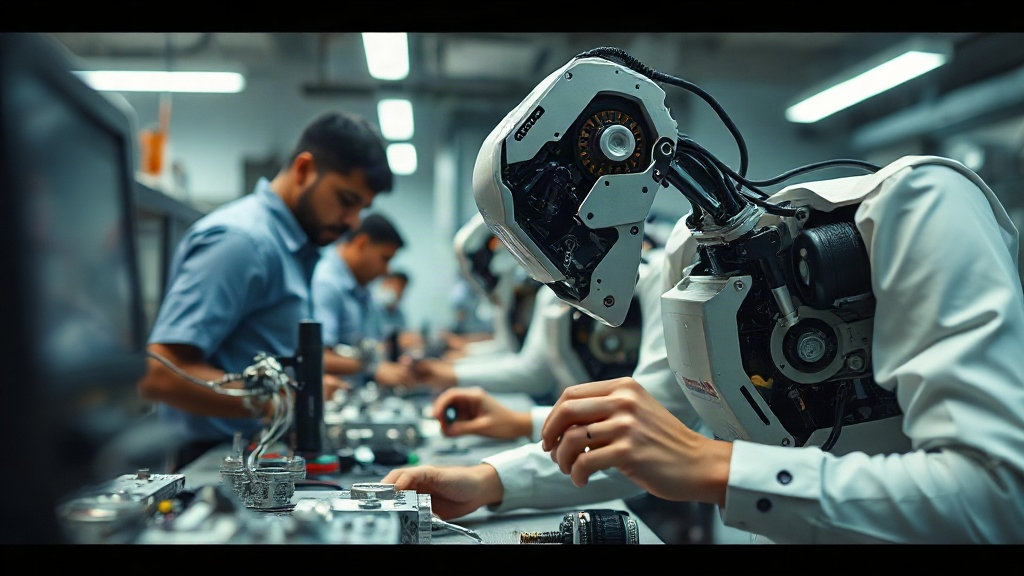
The Andhra Pradesh government has officially approved the Robotics and Physical AI Policy for the years 2026 to 2036, marking a significant step towards establishing a comprehensive ecosystem for robotics and artificial intelligence in the state. The policy, encapsulated in G.O Ms. No. 86, was issued by Katamneni Bhaskar, the Secretary of IT, Electronics & Communications. This initiative aims to enhance the manufacturing landscape by focusing on the development of components, robot platforms, system integration, research and development (R&D), talent development, and the adoption of robotics across various sectors.
Comprehensive Framework for Robotics Development
The newly approved policy recognizes robotics as a pivotal technology that is reshaping manufacturing and productivity in the current decade. As stated in the government order, the adoption of industrial robots, collaborative robots, autonomous mobile robots, and specialized service robots is on the rise across diverse sectors including manufacturing, logistics, healthcare, and agriculture. This policy aims to create a robust framework that supports the entire lifecycle of robotics development, from initial manufacturing to deployment in real-world applications.
The policy outlines specific goals, including the establishment of dedicated research centers and partnerships with academic institutions to foster innovation in robotics and AI. By promoting R&D, the government aims to position Andhra Pradesh as a leader in the robotics sector, attracting investments and talent from across the nation and beyond.
Integration of Physical AI in Robotics
A key aspect of the policy is the integration of physical AI with robotics. Physical AI combines artificial intelligence models with robotics, sensors, and hardware to create autonomous systems capable of perceiving their environment, reasoning, planning, and acting accordingly. This integration is expected to enhance the capabilities of robots, allowing them to perform complex tasks in dynamic environments.
The government emphasizes the importance of developing a skilled workforce to support this technological advancement. The policy includes provisions for talent development programs aimed at equipping individuals with the necessary skills to thrive in the evolving landscape of robotics and AI. By fostering a culture of innovation and learning, Andhra Pradesh aims to create a sustainable ecosystem that supports both local and global industries.
Economic Impact and Job Creation
The implementation of the Robotics and Physical AI Policy is projected to have a significant economic impact on the state. By fostering a manufacturing-led approach, the government anticipates the creation of thousands of jobs in various sectors related to robotics and AI. This includes roles in manufacturing, programming, maintenance, and R&D.
According to estimates, the robotics industry in India is expected to grow exponentially, with the potential to contribute significantly to the GDP. The Andhra Pradesh government aims to capitalize on this growth by positioning itself as a hub for robotics innovation, thereby attracting investments from both domestic and international companies.
Collaboration with Industry Stakeholders
To ensure the successful implementation of the policy, the Andhra Pradesh government plans to collaborate closely with industry stakeholders, including technology companies, educational institutions, and research organizations. This collaborative approach is designed to facilitate knowledge sharing and innovation, ultimately leading to the development of cutting-edge robotics solutions tailored to meet the needs of various sectors.
The government has already initiated discussions with several leading technology firms to explore potential partnerships and investment opportunities. By creating a conducive environment for collaboration, Andhra Pradesh aims to accelerate the growth of its robotics ecosystem and enhance its competitiveness on a global scale.
Future Prospects and Challenges
While the Robotics and Physical AI Policy presents numerous opportunities for growth and innovation, it also faces challenges that need to be addressed. One of the primary concerns is ensuring that the workforce is adequately trained to meet the demands of the evolving technology landscape. The government recognizes the need for continuous skill development and has committed to investing in education and training programs.
Additionally, as the robotics industry continues to evolve, ethical considerations surrounding the use of AI and robotics will become increasingly important. The government is aware of these challenges and is committed to developing guidelines and regulations that ensure the responsible use of technology.
Looking ahead,, the approval of the Robotics and Physical AI Policy 2026–36 marks a significant milestone for Andhra Pradesh as it embarks on a journey to establish itself as a leader in the robotics and AI sector. With a focus on manufacturing, R&D, and talent development, the state is poised to harness the potential of robotics to drive economic growth and improve the quality of life for its citizens.
| Forensic Metric / Statutory Dimension | Mainstream Wire Benchmark | DotMR Corroborated Record & Direct Impact |
|---|---|---|
| Policy Duration | 2026-2036 | G.O Ms. No. 86 issued on November 16, 2026 |
| Job Creation Potential | Thousands of jobs | Projected growth in robotics sector |
| R&D Investment | Significant funding | Partnerships with academic institutions |
| Economic Contribution | GDP growth | Robotics industry growth projections |