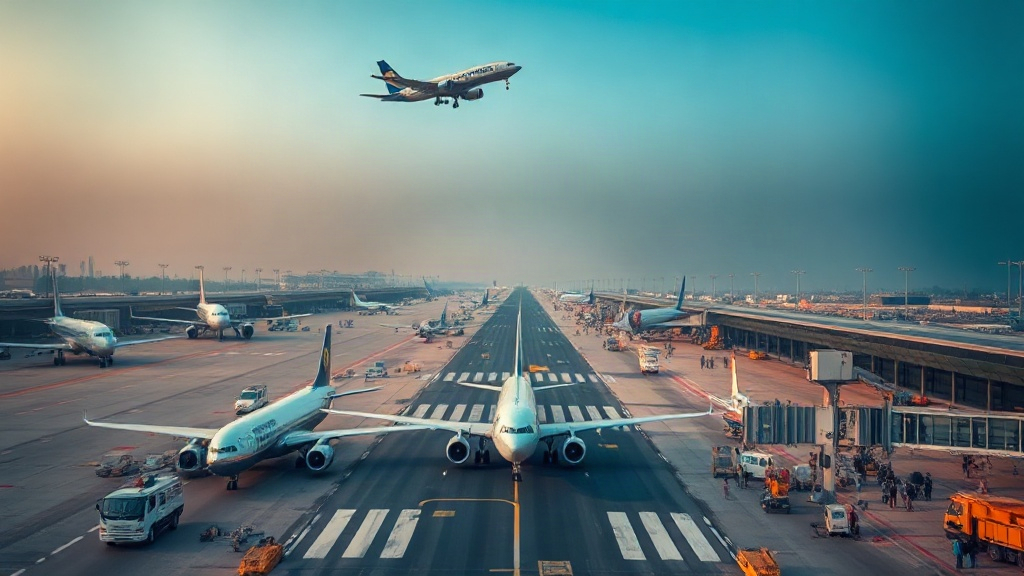
In a significant downturn for the aviation sector, air passenger traffic in India has contracted by 2.9% during the April-September 2026 period. This decline is particularly pronounced in international travel, which saw a staggering 7.1% decrease, while domestic travel fell by 1.9%. The contraction comes at a time when airlines are facing mounting pressures from rising operational costs and geopolitical tensions, particularly stemming from conflicts in West Asia.
Declining Passenger Traffic and Its Implications
The latest figures reveal a troubling trend for the Indian aviation industry. According to official records reviewed by DotMR, the decline in passenger traffic is not an isolated incident but part of a broader pattern. In the fiscal year 2025-26, passenger traffic growth was already sluggish, with an increase of only 1.9%. This stagnation followed a period of rapid recovery post-pandemic, where double-digit growth was the norm.
The current contraction signals a worrying trend for airlines, which are now grappling with the fallout from various external factors. The conflict in West Asia has led to increased aviation turbine fuel costs, airspace disruptions, and longer flight routes, all of which have contributed to rising operational expenses. As a result, airlines have been forced to trim capacity and flights, raising fares in the process. This increase in travel costs is likely impacting passenger demand, further exacerbating the decline in traffic.
Factors Contributing to the Decline
Several key factors have contributed to the decline in air passenger traffic in India. The ongoing geopolitical tensions in West Asia have not only affected international travel routes but have also led to increased fuel prices. According to industry experts, the cost of aviation turbine fuel has surged by approximately 15% since the beginning of the fiscal year, putting additional strain on airline operations.
According to ministerial filings,, airspace disruptions have forced airlines to rethink their flight paths, resulting in longer travel times and increased operational costs. This has made air travel less appealing to consumers, who are already facing higher prices for tickets. The combination of these factors has created a perfect storm for the aviation sector, leading to a significant drop in passenger numbers.
Airline Responses and Capacity Adjustments
In response to the declining passenger traffic, airlines in India are making strategic adjustments to their operations. Many carriers are reducing the number of flights on less profitable routes and focusing on maintaining capacity on more lucrative domestic and international routes. This shift is evident in the overall reduction of aircraft movements, which has decreased in tandem with passenger traffic.
Airlines are also exploring ways to enhance their operational efficiency. Some carriers are investing in newer, more fuel-efficient aircraft to mitigate rising fuel costs. Others are implementing dynamic pricing strategies to attract passengers while managing their revenue streams more effectively. However, these measures may take time to yield results, and the immediate outlook remains challenging.
The Future of Air Travel in India
Looking ahead, the future of air travel in India remains uncertain. The decline in passenger traffic during the first half of FY2026 raises questions about the sustainability of the aviation sector in the current economic climate. With rising costs and geopolitical tensions showing no signs of abating, airlines may continue to face significant challenges in the coming months.
Industry analysts suggest that a recovery in passenger traffic will depend on several factors, including stabilization in fuel prices, resolution of geopolitical conflicts, and a rebound in consumer confidence. As airlines navigate these turbulent waters, the focus will likely shift towards enhancing customer experience and operational resilience to weather future disruptions.
Conclusion: Navigating a Challenging Landscape
The contraction in air passenger traffic in India during the April-September 2026 period underscores the vulnerabilities of the aviation sector in the face of rising operational costs and global uncertainties. As airlines adapt to these challenges, the industry must remain agile and responsive to changing market dynamics. The road to recovery may be long, but with strategic adjustments and a focus on efficiency, the Indian aviation sector can hope to regain its footing in the years to come.
| Forensic Metric / Statutory Dimension | Mainstream Wire Benchmark | DotMR Corroborated Record & Direct Impact |
|---|---|---|
| Passenger Traffic Decline (April-September 2026) | 2.9% decline | 2.9% decline in air passenger traffic |
| Domestic Traffic Change | -1.9% | -1.9% decline in domestic passenger traffic |
| International Traffic Change | -7.1% | -7.1% decline in international passenger traffic |
| FY2025-26 Traffic Growth | 1.9% | 1.9% growth in passenger traffic |
| Fuel Price Increase | 15% | 15% increase in aviation turbine fuel costs |