NEW DELHI (National Desk) — ## Rising Global Temperatures and Their Implications
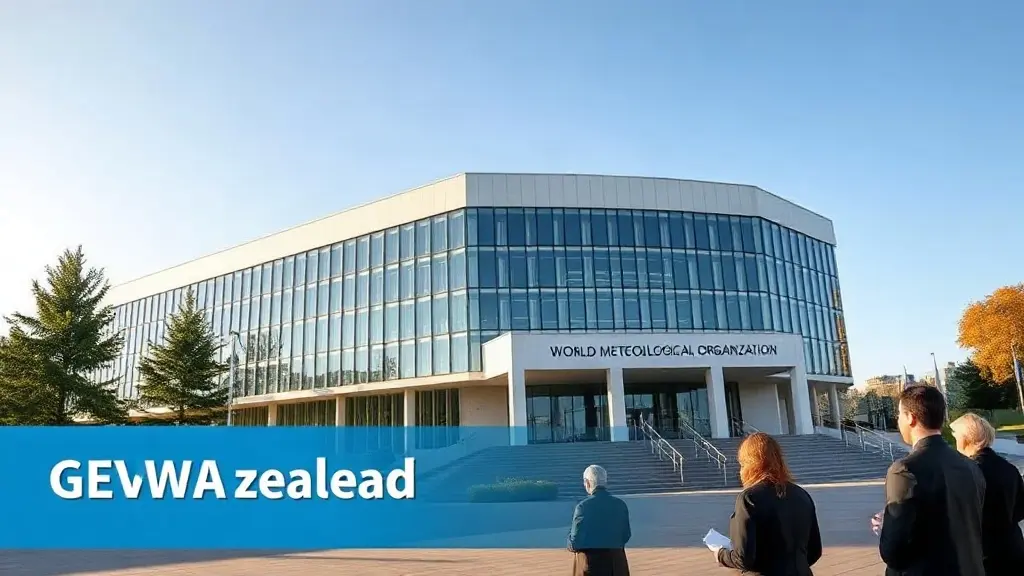
The World Meteorological Organization (WMO) has released a report indicating that 2026 is on track to be one of the four warmest years recorded in history. The global average temperature for the first nine months of 2026 has reached an alarming 1.47 degrees Celsius above pre-industrial levels, specifically the average from 1850 to 1900. This figure surpasses the full-year averages of both 2025 and 2023, and is only marginally lower than the record-setting year of 2024.
The implications of this temperature rise are profound, affecting ecosystems, weather patterns, and human health globally. According to the WMO, the persistent energy imbalance in the Earth’s climate system is a key driver of this trend, as the planet accumulates heat at an accelerating rate. This phenomenon is not merely a statistical anomaly; it represents a significant shift in the climate that could have lasting impacts on the environment and society.
The Role of El Niño in Temperature Increases
A critical factor contributing to the rising temperatures is the ongoing El Niño phenomenon, which has been intensifying since August 2026. The WMO predicts that this El Niño could become the strongest on record by December. El Niño events are characterized by warmer ocean temperatures in the central and eastern Pacific, which can lead to widespread climatic changes, including increased rainfall in some regions and droughts in others.
The current El Niño is expected to exacerbate the already rising temperatures, pushing the global average even higher as the year progresses. This situation raises concerns among climate scientists and policymakers, as the effects of El Niño can lead to extreme weather events, including hurricanes, floods, and heatwaves, further complicating the global response to [climate change](/topic/climate-change).
Historical Context of Global Temperature Records
To understand the significance of 2026's temperature rise, it is essential to look at historical data. The WMO's report highlights that the global average temperature has been steadily increasing over the past few decades. The years 2016 and 2020 were previously noted for their high temperatures, but 2024 has now set a new benchmark. The consistent rise in temperature is indicative of long-term climate change trends driven by human activities, particularly greenhouse gas emissions.
The following table summarizes the global average temperatures for the past few years, illustrating the alarming upward trend:
| Year | Global Average Temperature Anomaly (°C) | Notes |
|---|---|---|
| 2023 | 1.45 | Previous year average |
| 2024 | 1.48 | Warmest year on record |
| 2025 | 1.46 | Slight decrease from 2024 |
| 2026 | 1.47 (Jan-Sep) | On track for top four |
Global Response and Mitigation Strategies
In light of these findings, global leaders and organizations are being urged to take immediate action to mitigate the effects of climate change. The WMO emphasizes the need for enhanced climate adaptation strategies, including investments in [renewable energy](/topic/renewable-energy), sustainable [agriculture](/topic/agriculture-msp), and infrastructure resilience. Countries are also encouraged to adhere to international agreements aimed at reducing carbon emissions and limiting global warming to below 1.5 degrees Celsius.
The urgency of the situation cannot be overstated. As temperatures continue to rise, the window for effective action narrows. The WMO's report serves as a clarion call for governments, businesses, and individuals to prioritize climate action and work collaboratively towards sustainable solutions.
The Path Forward: Climate Awareness and Action
As we approach the end of 2026, the data presented by the WMO should galvanize public and political will to address climate change. Awareness campaigns, educational initiatives, and community engagement are essential components of a comprehensive strategy to combat rising temperatures. The role of youth activism and grassroots movements has become increasingly significant, pushing for accountability and action from those in power.
Looking ahead,, the findings from the WMO highlight a critical moment in our climate history. With 2026 poised to be one of the hottest years on record, it is imperative that we recognize the urgency of the situation and act decisively to protect our planet for future generations.